
Uncategorized
Pop Culture Bedding Sets Fabric Comparison: Cotton Blend Bedding

Oct
For bold, sharp franchise graphics and easy-care use, microfiber pop culture bedding is usually the better fit; Cotton Blend Bedding is the stronger choice if you want a more breathable, cotton-like feel and quicker-drying, wrinkle-resistant care. The right pick depends on whether print impact or everyday comfort matters more: licensed sets commonly use polyester microfiber, while cotton blends trade some print vibrancy for a more balanced feel.
How the Fabrics and Designs Compare
Pop culture bedding is a licensed design category, not a single fabric: most mass-market sets use polyester microfiber, while Cotton Blend Bedding combines cotton with a synthetic fiber, usually polyester. That distinction matters because the print, feel, and care depend on the fabric as well as the franchise design.
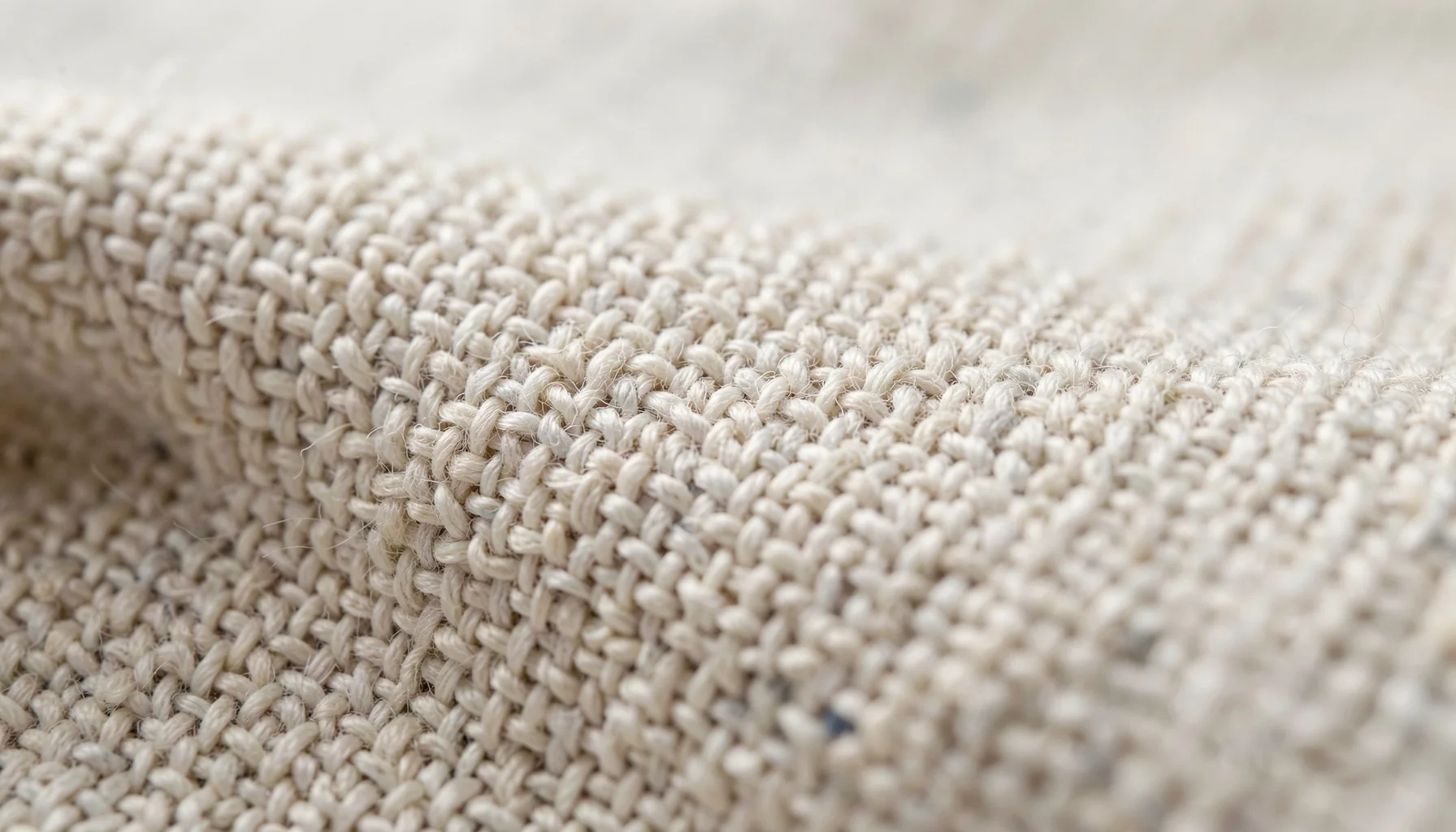
Pop Culture Bedding Sets Fabric Comparison: Cotton Blend Bedding – How the Fabrics and Designs Compare
What does “pop culture bedding” mean?
Pop culture bedding features intellectual property from films, television, gaming, music, and comic-book franchises. It is often sold as a coordinated “bed-in-a-bag” set, typically with a comforter, flat sheet, fitted sheet, and pillowcases. Twin sets commonly include one pillowcase; Full, Queen, and King sets commonly include two, but check the package because components can vary.
The category is marketed primarily as fan merchandise and novelty décor. Visual fidelity—especially the sharpness and color of a character or franchise graphic—often takes priority over luxury measures such as a high thread count. A bedding set can therefore deliver a striking themed bedroom without being designed as heirloom-quality bedding.
For shoppers comparing fabrics, the practical baseline is polyester microfiber, the common choice in licensed mass-market sets. Some premium or boutique collections use cotton or blends, so the fiber label matters more than the design theme when judging feel and care.
How does Cotton Blend Bedding differ?
Cotton Blend Bedding combines natural cotton fibers with synthetic fibers, most often polyester. Ratios commonly range from 50/50 to 60/40 cotton to polyester, although products vary. The cotton contributes a more natural hand-feel and generally better breathability than 100% polyester; the polyester can improve strength, wrinkle resistance, and drying speed.
Blends appear in sheets, duvet covers, and pillowcases, and may be made in different weaves. Percale has a crisp, matte finish, while sateen feels smoother and silkier with a slight sheen. These qualities depend on the weave and construction, not just the fiber ratio.
A cotton blend is not automatically the fabric of a licensed pop culture set. It is an alternative material that may be available in themed or non-themed bedding. Look for both the licensing information and fiber content rather than assuming the design category tells you what the bedding is made from.
Head-to-head comparison matrix
| Comparison criterion in English | pop culture bedding sets fabric comparison | Cotton Blend Bedding | Verdict in English |
|---|---|---|---|
| Typical fiber | Usually polyester microfiber in mass-market licensed sets | Cotton mixed with polyester; often around 50/50 to 60/40 | Check the actual label; neither category is uniform |
| Main appeal | Franchise graphics, vivid color, coordinated themed design | More cotton-like feel with easier care than pure cotton | Choose by priority: design or balanced everyday use |
| Print performance | Microfiber holds high-resolution digital prints well | Can retain prints while offering a different hand-feel | Microfiber is the common choice for sharp, colorful graphics |
| Breathability | Lower than natural fibers; may feel warmer | Generally more breathable than 100% polyester | Cotton blend has the advantage for many warm sleepers |
| Wrinkle resistance | Polyester microfiber is generally wrinkle-resistant | Usually less prone to deep creasing than pure cotton | Both can be low-maintenance |
| Drying speed | Lightweight polyester dries readily | Typically dries faster than pure cotton | Both offer practical care; check care instructions |
| Durability considerations | Mass-market sets may fade or pill with regular use | Polyester can improve strength, but low-quality blends can pill | Construction and care affect lifespan |
| Print feel | Sublimation dyes fibers; heavy screen printing may feel raised | Depends on print method and fabric | Inspect the graphic and product details |
| Best fit | Fans, themed rooms, gifts, dorm personalization | Low-maintenance households seeking a cotton-containing fabric | Choose for the user and room, not the label alone |
| What to verify | Fiber label, print method, licensing, size, set contents | Fiber ratio, weave, finish, care instructions | Product-specific details matter more than broad claims |
Comfort, Breathability, and Durability
Cotton blends generally have the breathability edge over 100% polyester microfiber, while microfiber is a common choice for vivid pop culture graphics and lightweight, wrinkle-resistant care. Neither material guarantees a particular sleep temperature or lifespan; weave, weight, construction, use, and laundering all influence the experience.

Pop Culture Bedding Sets Fabric Comparison: Cotton Blend Bedding – Comfort, Breathability, and Durability
Which fabric feels more comfortable?
Comfort is personal, but the fiber composition offers useful clues. Polyester microfiber is lightweight and smooth, and it is favored for its ability to display detailed graphics. Its main trade-off is lower breathability than natural fibers, so it may feel warmer for some sleepers.
Cotton blends offer a middle ground. Cotton content contributes a more natural feel and more breathability than 100% polyester, while the synthetic component can make the fabric more durable and easier to manage than pure cotton. The ratio matters: a blend with more cotton may feel different from one with more polyester, so check the product label rather than relying on the term “blend.”
The weave also affects the hand-feel. Percale is crisp and matte; sateen is smoother and slightly lustrous. A blend’s finish, weave, and any easy-care treatment can shape comfort as much as its fiber names.
Practical takeaway: If you sleep hot or prioritize a cotton-containing surface, start with a cotton blend. If a specific franchise graphic is the main reason for buying, compare the microfiber set’s weight and construction and consider whether its feel suits your sleep preferences.
How breathable are the options?
Breathability is a meaningful difference, but it is not a guarantee of how warm a sleeper will feel. Cotton blends are generally more breathable than 100% polyester because they contain natural cotton fibers. The synthetic content can still trap more heat than high-quality cotton percale or linen, so a blend is not necessarily the coolest available bedding.
Microfiber is made from polyester, and the supplied material facts identify its breathability as a limitation compared with natural fibers. That does not make it unsuitable for everyone: room temperature, comforter fill, personal preference, and season all affect perceived warmth. A winter-themed flannel set, for example, is intended to provide more heat retention, though it may be made from brushed cotton or polyester.
When choosing, consider the complete bedding setup. A warm comforter can influence sleep temperature more than a sheet fabric alone. If cooling is a priority, compare the sheet and comforter materials separately and avoid treating the printed design as evidence of breathability.
What should shoppers expect from durability?
Polyester in both microfiber and cotton blends can contribute to strength and easy care, but durability varies by product quality and use. Licensed mass-market microfiber sets are generally designed for visual appeal rather than long-term heirloom use. A typical set may show fading or pilling after one to three years of regular use, though actual results depend on laundering and wear.
Cotton blends are more resistant to tearing than pure cotton in the supplied material facts, but low-quality blends can develop pills from friction. A high thread count is not a reliable shortcut to quality, particularly in synthetic microfiber or blends. For microfiber, manufacturers may use GSM (grams per square meter) as an indicator of fabric weight; higher GSM indicates thicker, more durable fabric, not a guarantee of performance.
For either fabric, review construction, care instructions, and product details. Wash according to the label and avoid assuming that a licensed graphic or a high thread-count claim alone predicts how long the bedding will last.
Real-World Usability: Prints, Care, and Trade-Offs
Microfiber pop culture sets are convenient when a buyer wants coordinated licensed graphics, while cotton blends suit people who value easier care alongside a more cotton-like feel. The best everyday choice depends on the print method, the household’s washing habits, and whether the bedding is intended for a themed room or regular long-term use.
What makes a pop culture print hold up?
Mass-market licensed bedding commonly uses rotary screen printing or digital sublimation. With sublimation, dye enters the fabric fibers, helping the graphic feel more uniform and avoiding the stiff surface associated with heavy screen-printed graphics. A thick, rubbery-feeling layer may indicate a heavier surface print that could crack over time.
Before buying, inspect product images and descriptions for the printing method, but remember that a photo cannot fully convey texture. Look for clear licensing information, such as a copyright notice on packaging. Unlicensed knockoffs may use low-resolution, pixelated artwork, so a recognizable character image alone does not establish authenticity.
A useful quality check is to compare the graphic area with the surrounding fabric. If the print appears highly raised or coated, consider whether that texture is acceptable. When the product details do not identify the print method, treat print durability as uncertain rather than assuming that every vivid graphic is sublimated.
Pros and cons of pop culture bedding sets
Pros
- Delivers a coordinated theme for bedroom makeovers, dorm rooms, and gifts.
- Polyester microfiber is lightweight and wrinkle-resistant.
- Microfiber is well suited to high-resolution, vibrant digital graphics.
- Sublimated designs can avoid the stiff feel of heavy surface printing.
- Bed-in-a-bag bundles can include several coordinated pieces.
Cons
- Polyester microfiber is less breathable than natural fibers and may feel warmer.
- Mass-market sets prioritize visual appeal over luxury fabric characteristics.
- Regular use can lead to fading or pilling; a typical lifespan may be one to three years.
- Some sets use a surface print that may feel stiff or be more prone to cracking.
- Set contents and pillowcase counts vary, so buyers need to check the size and package details.
This option is most compelling when the franchise artwork is central to the purchase. Its limitations matter more when a shopper’s primary goal is a cool, breathable sleeping surface or long-term bedding investment.
Pros and cons of Cotton Blend Bedding
Pros
- Combines cotton’s more natural feel with polyester’s practical properties.
- Generally more breathable than 100% polyester microfiber.
- Less prone to deep creasing than pure cotton.
- Dries faster than pure cotton and often needs little or no ironing.
- Polyester can improve tensile strength compared with 100% cotton.
Cons
- Usually less breathable than high-quality cotton percale or linen.
- Higher synthetic content can increase static cling in dry environments.
- Low-quality blends may pill with friction.
- Easy-care or permanent-press finishes may be used; check the product details.
- A cotton blend does not necessarily include a licensed design or a particular print quality.
Blends suit buyers who want a practical compromise rather than a specific franchise look. They are widely used in hospitality and commercial laundering because they can withstand frequent washing, but household products still vary in quality and care requirements.
How to Choose: Buyer Framework and Value
Choose based on the bedding’s primary job: a licensed microfiber set makes sense when the graphic is the priority; Cotton Blend Bedding is a stronger fit when a cotton-containing feel and convenient care matter more. There is no universal winner, and neither category has a reliable price or quality ranking without product-specific details.
When should you choose each option?
Choose pop culture bedding sets when:
- You want a recognizable franchise design for a child’s room, dorm, gift, or themed makeover.
- Bold color and detailed artwork matter more than maximum breathability.
- You prefer a lightweight, wrinkle-resistant fabric.
- You can verify licensing, size, set contents, and care instructions.
- You are comfortable with the possibility that a mass-market set may show fading or pilling with regular use.
Choose Cotton Blend Bedding when:
- You want cotton in the fabric but also value faster drying and reduced creasing.
- Breathability matters more to you than having a specific printed character or franchise.
- You want an everyday, low-maintenance option and are willing to compare fiber ratios.
- You prefer a crisp percale or smoother sateen weave, if available.
- You understand that blend quality, print durability, and feel still vary by product.
If you want both a licensed design and a cotton-containing fabric, search for a product that explicitly lists both. Do not assume that every themed set is microfiber or that every cotton blend is plain.
How should you compare quality and value?
There is no verified price schedule or universal cost-per-use figure for these bedding categories. Prices and included pieces vary by brand, size, licensing, fabric weight, construction, and retailer. Rather than treating either fabric as automatically cheaper or better value, compare like-for-like products and assess what you will actually use.
Use this checklist:
- Check the fiber label. Identify whether the product is 100% polyester microfiber or a cotton-polyester blend, and note the blend ratio when listed.
- Confirm the dimensions and contents. Match the set to your mattress and verify how many pillowcases and other pieces are included.
- Review print and licensing details. Look for a clear copyright notice and, where specified, a print method. A raised, rubbery graphic may feel different from a uniform sublimated print.
- Compare fabric weight and weave. GSM can help describe microfiber weight; for blends, look for weave and finish information. Thread count alone does not establish quality.
- Read care instructions. Consider whether the bedding fits your routine and washing equipment.
- Compare total value. Weigh the design, comfort, expected use, and included pieces against the price of the specific products—not a category-wide assumption.
For shoppers researching fabrics and product claims, binteez.com can serve as a starting point for informed comparison. Use its bedding guidance alongside the product label and retailer’s specifications; verify current product details before making a purchase.
What care practices help preserve either fabric?
Always follow the care label first, because product instructions take precedence over general material guidance. For pop culture sets, a cold, gentle wash is a prudent way to help protect synthetic fibers and graphic integrity. Avoid harsh handling that could wear the printed surface.
Cotton blends can generally be machine washed in warm water up to 104°F (40°C) with mild detergent. Avoid bleach, which can degrade synthetic fibers. Tumble dry on low to medium heat and remove the bedding promptly while slightly damp to reduce wrinkles and static. Ironing is usually unnecessary; if needed, use low heat to avoid damaging synthetic fibers.
For either option, do not use care routines intended for a different material. Gentle washing and suitable drying can help maintain appearance, but they cannot eliminate wear from repeated use. Check care labels before combining items with different washing requirements.
FAQ
These answers summarize the key differences for shoppers comparing licensed pop culture sets with cotton-polyester bedding. Fiber labels and product-specific care instructions remain the best guide for any particular set.
Is microfiber or Cotton Blend Bedding better for hot sleepers?
Cotton Blend Bedding is generally the better starting point for hot sleepers because it is more breathable than 100% polyester microfiber. However, a blend is not as breathable as high-quality cotton percale or linen, and its polyester content can retain heat. The comforter, room temperature, weave, and personal preferences also matter. Check the fiber ratio and the whole bedding set’s construction rather than choosing by design or material name alone.
Do pop culture bedding prints fade or crack?
They can wear over time, especially with regular use, but the outcome depends on fabric, print method, and care. Sublimation dyes the fabric fibers and tends to feel more uniform than a heavy surface print. A thick, rubbery graphic may be screen-printed and could be more prone to cracking. Licensed mass-market microfiber sets may fade or pill after one to three years of regular use; this is a general expectation, not a guarantee for an individual product.
Is a cotton blend more durable than microfiber bedding?
Neither category is automatically more durable. Polyester can improve strength, and cotton-polyester blends are generally more resistant to tearing than pure cotton. Microfiber is also made from polyester, but mass-market pop culture sets are often designed around visual appeal, and regular use can eventually cause fading or pilling. Fabric weight, construction, friction, and care all affect wear. Compare product details and follow the care label rather than relying on fiber names alone.
What should I check before buying licensed pop culture bedding?
Confirm the fiber content, mattress size, package contents, and care instructions. Twin sets commonly have one pillowcase, while larger sizes commonly have two, but check the actual package. Look for clear licensing or copyright information and inspect the graphic quality. If print method is specified, sublimation tends to feel more uniform than a thick surface print. Also consider breathability and fabric weight, since a vivid design does not necessarily indicate a comfortable or durable material.
