
Uncategorized
Fandom Hawaiian Shirts vs Regular Graphic Tees: Which Wins?
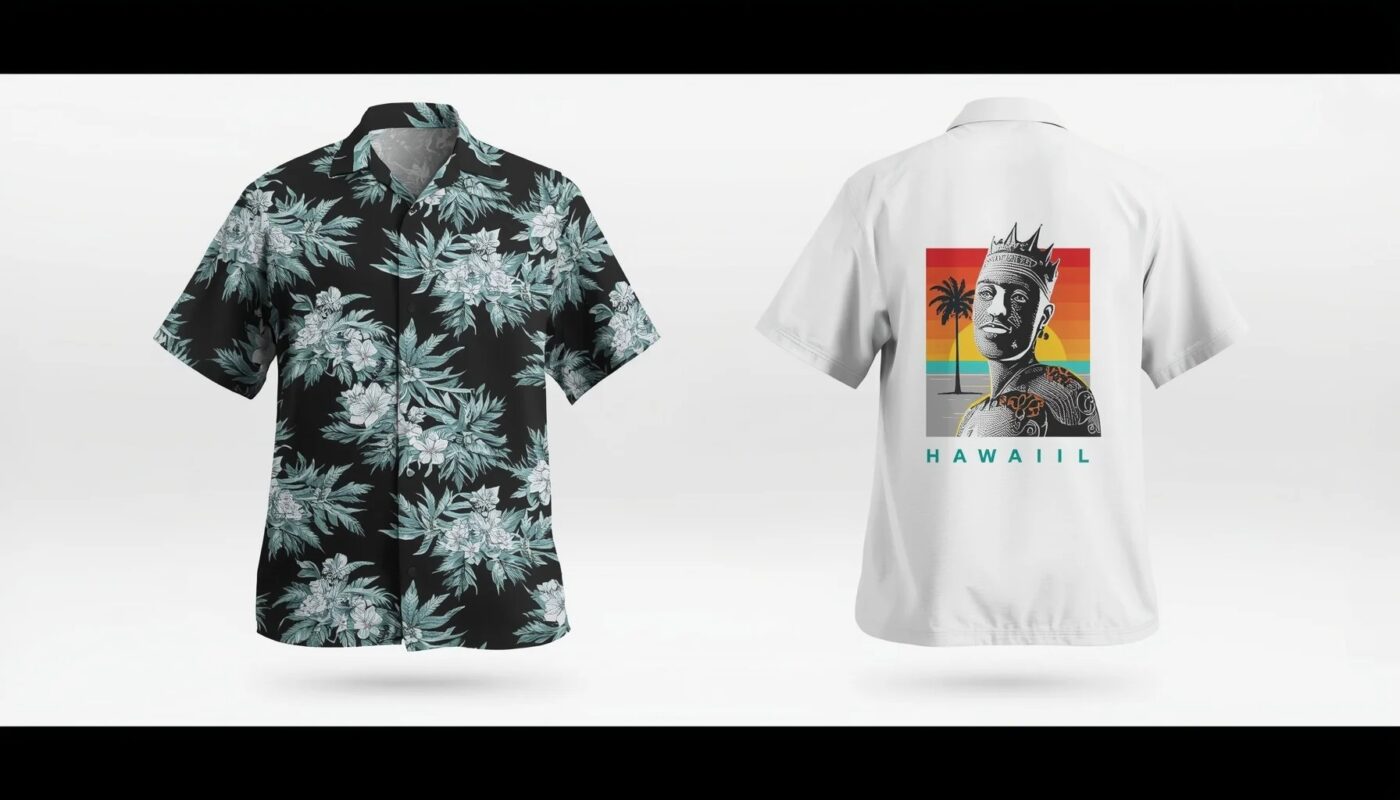
Oct
Fandom Hawaiian shirts make the stronger statement for convention-goers, summer events, and fans who want a vivid, all-over print; regular graphic tees are better for everyday comfort, subtle expression, and easy layering. The right choice depends less on which garment is universally “best” and more on how much visual impact, versatility, and print coverage you want from a piece of fandom apparel.
Fandom Hawaiian shirts vs regular graphic tees: the core differences
Fandom Hawaiian shirts are relaxed, button-front shirts with repeating fandom patterns, while regular graphic tees are pull-over shirts with a localized design. That difference in construction and print placement shapes how each looks, feels, and fits into a wardrobe.
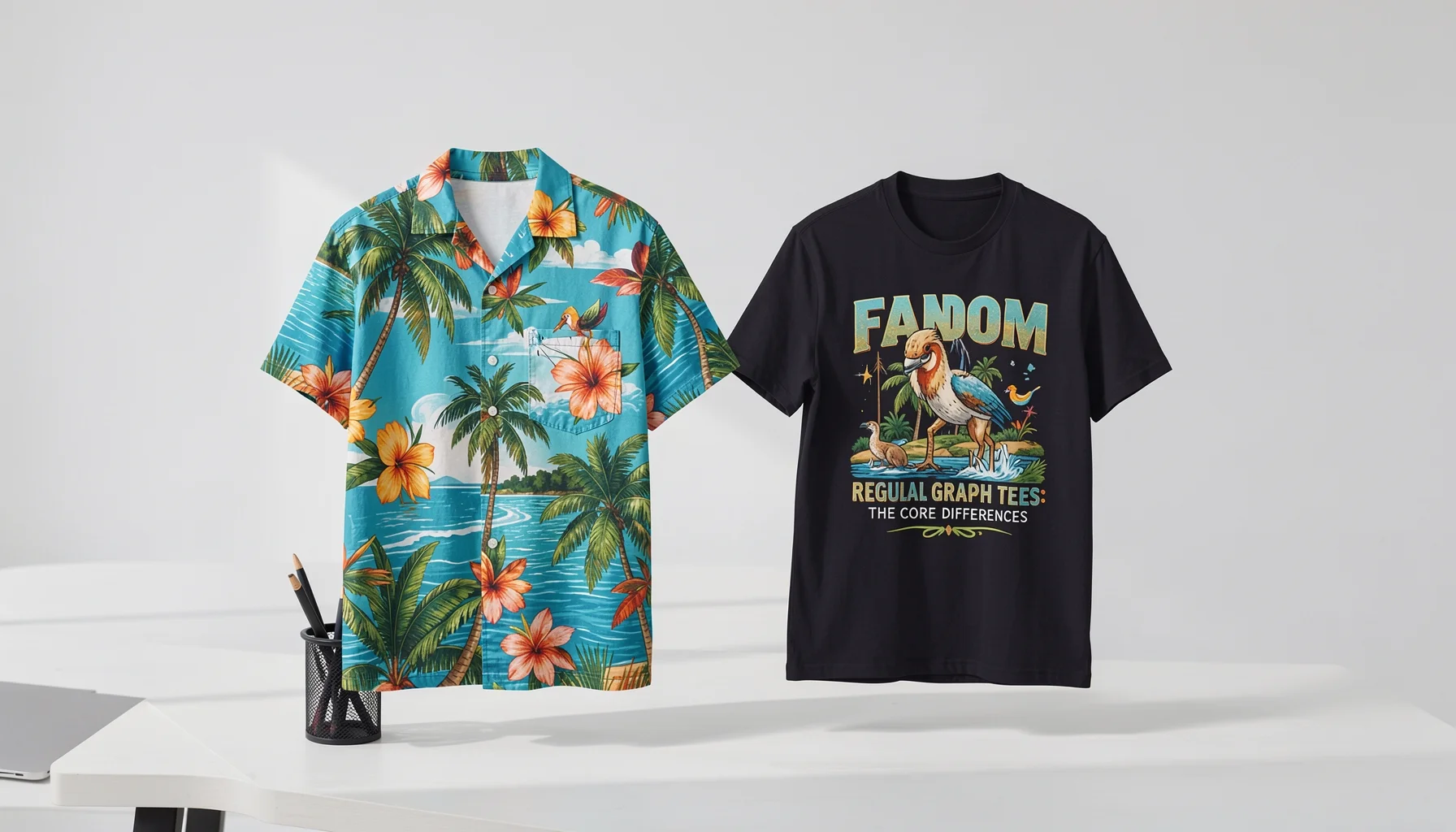
Fandom Hawaiian Shirts vs Regular Graphic Tees: Which Wins? – Fandom Hawaiian shirts vs regular graphic tees: the core differences
How do the designs differ?
A fandom Hawaiian shirt usually uses an all-over print (AOP): fandom symbols, characters, or other visual references repeat across the fabric. The result can feel immersive and highly visible, especially when the design incorporates its motifs into a tropical or geometric pattern. The collar and buttons give it a different profile from a standard tee, even when both feature the same fandom.
A regular graphic tee usually places its design on the chest, pocket area, or back. This localized treatment can make a favorite character, logo, or illustration easy to recognize without covering the whole garment in imagery. It also lends itself to a more understated look, depending on the artwork and its size.
In practical terms, the shirt’s visual footprint matters as much as the fandom itself. Someone who wants an outfit to announce their interests from across a convention hall may prefer an all-over print. Someone who wants a familiar everyday shirt that pairs easily with other clothes may prefer a centered graphic.
What do construction and production change?
Fandom Hawaiian shirts are generally collared, short-sleeved, button-front garments with a relaxed fit. Their all-over artwork typically requires a pattern designed for the garment’s panels, so print alignment across areas such as seams, pockets, and the button placket can affect the finished appearance. Cut-and-sew production means the fabric is printed before the shirt is assembled.
Regular graphic tees are usually crew-neck, short-sleeved pullovers with a standard or slim fit. Their artwork is placed in a specific position on a ready-made blank, which is a less complex alignment task than coordinating a repeating print across multiple panels. That simpler workflow also supports a broad range of print methods and garment options.
Neither production approach guarantees a better-made shirt. Check the garment’s fabric, fit, construction, and print quality rather than assuming that a complicated print or familiar tee style automatically means higher quality.
At a glance: comparison matrix
| Comparison criterion in English | fandom hawaiian shirts vs regular graphic tees | Regular Graphic Tees | Verdict in English |
|---|---|---|---|
| Basic construction | Short-sleeved, collared, button-front shirt | Crew-neck, pull-over t-shirt | Choose based on the silhouette you prefer |
| Typical fit | Relaxed | Standard or slim | Hawaiian shirts feel more open; tees are easier to layer |
| Print placement | All-over, repeating pattern | Localized chest, pocket, or back graphic | All-over for impact; localized for restraint |
| Common fabric options | Polyester, rayon, or cotton blends | Cotton, cotton-polyester blends, or tri-blends | Check the specific garment’s composition |
| Common print methods | Sublimation is common | Screen printing, DTG, or heat transfer | The method affects appearance and care |
| Visual impact | High | Moderate | Hawaiian shirts usually stand out more |
| Styling | Resort, casual, or themed outfits | Everyday wear and athleisure | Tees suit more routine outfits |
| Production considerations | Pattern alignment and cut-and-sew assembly | Artwork placement on a finished blank | Tee production is generally less complex |
| Relative cost | Generally higher | Generally lower | Compare individual products; prices vary |
| Best fit for | Conventions, summer events, and bold fandom wear | Daily outfits, layering, and subtle fandom wear | Match the garment to the occasion |
Key features: print, fabric, and styling
The Hawaiian shirt’s main advantage is expressive, full-coverage design; the graphic tee’s is familiar, flexible styling. Fabric and print technique influence comfort and upkeep, so compare the actual garment details rather than relying on the category name alone.

Fandom Hawaiian Shirts vs Regular Graphic Tees: Which Wins? – Key features: print, fabric, and styling
What makes an all-over print different?
AOP designs distribute artwork across much of the shirt instead of reserving one small area for a graphic. That gives designers more room to blend fandom elements into a larger pattern, and it can make a shirt feel distinctive even when viewed from a distance. Sublimation is commonly used for these designs: the ink is infused into the fabric fibers, supporting edge-to-edge color and vibrant detail.
The trade-off is that a busy pattern can be visually demanding. Large motifs and repeated elements may compete for attention, and the pattern can look different across the front, back, sleeves, and button area. Because the design has to work across multiple panels, good alignment contributes to a more considered finish.
A localized graphic offers a different kind of emphasis. Screen printing, direct-to-garment (DTG), and heat transfer are common methods for tees. Screen printing is an established option; DTG suits detailed, multicolor artwork. The result depends on the particular print and garment, so inspect the design and product description rather than assuming every tee print has the same texture or durability.
How does fabric affect comfort?
Fandom Hawaiian shirts may be made from polyester, rayon, or cotton blends. Synthetic fabrics are often lightweight and may be moisture-wicking or wrinkle-resistant, while the specific hand-feel varies by material and product. Their relaxed cut can also allow airflow, making them appealing for warm-weather events. Still, check the listed fabric composition: “Hawaiian shirt” alone does not tell you exactly how a particular shirt will feel.
Graphic tees commonly use 100% cotton, cotton-polyester blends, or tri-blends. Cotton is known for a soft, breathable feel; blends can offer different combinations of softness, durability, and moisture management. Tees are also available in a range of fabric weights, from lightweight options to heavier garments, so the word “tee” does not imply one standard thickness.
Think about the setting and your preferences. A light, flowing shirt may suit a hot outdoor gathering, while a cotton tee may feel more familiar for daily wear. For either style, read the material details and sizing guidance before purchasing.
Which one is easier to style?
A regular graphic tee is usually the straightforward choice for outfits built around jeans, shorts, joggers, or a hoodie. Its crew neck and localized design make it easy to wear on its own or underneath another layer. A subtler graphic can show fandom without dominating the rest of an outfit.
A fandom Hawaiian shirt is more naturally a statement piece. It works well when the shirt itself is intended to lead the outfit, and its button-front construction offers a different styling option from a pull-over tee. Its distinctive silhouette and all-over pattern can be a fit for a convention, vacation, or summer festival.
There is no need to treat those roles as strict rules. A tee can have a loud, oversized graphic, and a Hawaiian shirt can use a restrained pattern. When in doubt, consider the complete design, not just the garment category.
Performance and real-world use
For conventions and outdoor summer events, a lightweight fandom Hawaiian shirt can combine visible fandom with a relaxed, warm-weather silhouette. For everyday routines, layering, and less conspicuous self-expression, a regular graphic tee is usually more adaptable.
Which performs better at a convention or summer event?
At a convention, an all-over print can make fandom identity immediately apparent and invite conversation. It also creates a distinctive alternative to the conventional chest-print tee. For summer festivals and outdoor gatherings, a lightweight, relaxed shirt may offer a comfortable-feeling option, although actual comfort depends on the fabric, fit, weather, and wearer.
A regular graphic tee can still work well at the same event. It is often easier to wear under a hoodie or jacket when temperatures change, and its more familiar shape may suit people who do not want a bold outfit. If the event involves a lot of walking, choosing a comfortable fit and fabric matters more than picking the loudest design.
Consider practical details before the event:
- Check the dress code: A themed shirt may be welcome at a convention but too informal for some professional or venue settings.
- Consider the weather: Look at fabric composition and garment weight, not just the product category.
- Think about repeat wear: A tee may fit more of your regular outfits; a vivid AOP shirt may be most useful for specific occasions.
- Look at the print from a distance: An intricate design may read differently across a busy event space than it does in a product photo.
How do care and print longevity compare?
Sublimation printing infuses ink into the fabric fibers, so the print does not crack in the same way a surface layer can. This is a useful advantage for an all-over design, but it does not make the entire garment indestructible. Fabric quality, construction, and washing still affect how long a shirt remains in good condition.
Graphic tee longevity depends partly on the printing method and care. Screen prints can fade or crack over time; other methods may behave differently. To help preserve a tee graphic, wash the garment inside out in cold water and avoid high-heat drying. Air-drying or tumble-drying on low heat can help limit heat-related wear and cotton shrinkage. Do not iron directly over the graphic; turn the garment inside out or use a pressing cloth.
For both types, follow the care label first. That is especially important when the material or print method varies from the common examples described here.
Which is more practical for everyday wear?
Regular graphic tees are usually the practical default when you want a garment that works across school, casual errands, lounging, and layering. Their familiar cut and localized artwork can feel less visually demanding, and a tee is generally easy to combine with other everyday basics. A standard-fit design can offer a middle ground between slim and oversized silhouettes.
A fandom Hawaiian shirt is practical when its features suit the day: a relaxed cut, a short-sleeved button-front design, and a print that makes fandom a visible part of the outfit. It is a strong option for warm-weather plans, fan gatherings, or anyone who wants to make a deliberate style statement. Its boldness may be a drawback in settings where a busy print feels distracting or too informal.
The useful question is not “Which one works everywhere?” Neither does. Instead, ask how often you would wear the piece, what you would pair it with, and whether you want your fandom expressed quietly or prominently.
Pros, cons, value, and choosing the right shirt
Neither garment wins every category: Hawaiian shirts offer greater visual impact, while regular graphic tees tend to offer more everyday versatility and a lower relative cost. Choose according to your wardrobe, intended use, and the specific product’s materials and finish.
Independent pros and cons
Fandom Hawaiian shirts
Pros
- High visual impact: Repeating patterns make the garment a clear statement piece.
- Warm-weather appeal: A relaxed, short-sleeved shape and lightweight fabric options can suit summer plans.
- Immersive fandom design: AOP gives designers room to incorporate motifs across the shirt.
- Print that does not crack like a surface layer: Sublimation infuses ink into the fabric fibers.
Cons
- Less understated: The all-over pattern may feel too busy for minimalist tastes or some settings.
- More complex design requirements: Panels, seams, pockets, and plackets can complicate pattern alignment.
- Generally higher cost: Complex production usually makes these shirts more expensive than mass-produced graphic tees.
- Less natural for layering: The button-front silhouette and print may not suit every outfit or climate.
Regular Graphic Tees
Pros
- Easy to wear: The crew-neck pull-over shape fits familiar casual outfits.
- More versatile for layering: A tee can go under a hoodie or jacket without a button-front layer.
- Subtle options: A smaller chest or pocket graphic can express fandom without an all-over pattern.
- Generally lower cost: Mass production and simpler print placement often make tees the less expensive option.
Cons
- Less dramatic visual impact: A localized print may not stand out as much as a full-coverage design.
- Print wear can occur: Some graphics, especially screen prints, may fade or crack over time.
- Fabric varies: A cotton tee, a blend, and a tri-blend can feel noticeably different.
- Care affects longevity: High heat and ironing directly on a graphic can damage the print or shrink fabric.
Value for money: what should shoppers compare?
Fandom Hawaiian shirts generally cost more because producing an all-over print involves more complex design and cut-and-sew work. Regular graphic tees are generally less expensive, supported by mass production and the use of ready-made blanks. These are category-level expectations, not a guarantee about any specific seller or product; no universal price applies to either style.
For a fair value comparison, check more than the listed price:
- Compare the fabric and fit. A garment you enjoy wearing is more useful than one bought only for a striking image.
- Inspect print placement and detail. For a Hawaiian shirt, look for a coherent pattern across the garment. For a tee, check graphic clarity and placement.
- Consider likely wear occasions. A lower-priced tee may offer more uses in a daily wardrobe, while a higher-priced statement shirt may earn its place through event wear.
- Read care instructions. Maintenance requirements can affect how well the garment suits your routine.
- Review the actual listing. Compare the product’s fabric, construction, sizing, and return terms instead of assuming all items in a category are alike.
As of 2026, the practical comparison remains about intended use rather than a single market-wide price benchmark: a tee is generally the economical everyday staple, while an AOP Hawaiian shirt is a more specialized statement purchase.
Buyer decision framework
Choose a fandom Hawaiian shirt if:
- You want an eye-catching outfit for a convention, summer festival, or vacation.
- You enjoy all-over fandom art and want the shirt to be a conversation starter.
- You prefer a relaxed, collared button-front style.
- You are comfortable paying more, in general, for a more complex print and construction.
Choose a regular graphic tee if:
- You want a familiar casual staple for frequent wear.
- You prefer a localized design or a less visually busy look.
- You want an option that layers easily under hoodies and jackets.
- You prioritize a generally lower-cost garment with broad everyday use.
If you are torn between them, start with the event or outfit you have in mind. A convention-focused purchase may justify a bold all-over design; a shirt intended for weekly wear may be more valuable as a versatile tee. For more apparel guidance and product discovery, explore binteez.com and compare available options against your fit, print, and use-case priorities.
FAQ
The best choice depends on the wearer’s intended use: Hawaiian shirts favor bold, all-over fandom expression, while regular graphic tees are usually easier to style and layer. These answers address common buying questions about comfort, durability, cost, and choosing between the two.
Are fandom Hawaiian shirts cooler than regular graphic tees?
Not automatically. A relaxed Hawaiian shirt made from a lightweight fabric may feel airy in warm weather, but comfort depends on its material, fit, the conditions, and your personal preference. Cotton graphic tees are also breathable and familiar to many wearers. Check the garment’s fabric composition and weight before deciding. For a hot outdoor event, compare the specific shirt details rather than assuming one style will always feel cooler.
Do sublimated Hawaiian shirt designs crack or peel?
Sublimation infuses ink into the fabric fibers, so the design does not sit on the surface like some printed graphics. That means it does not crack in the same way a surface print can. However, the shirt can still show wear, and print quality depends on the product and its production. Follow the garment’s care instructions and assess fabric and construction as well as the design.
Are regular graphic tees better for everyday wear?
For many people, yes. A regular graphic tee’s pull-over shape and localized print make it easy to pair with casual outfits and layer under a hoodie or jacket. That does not make every tee suitable for every setting: fit, material, and graphic size still matter. If you want a bolder look or a shirt for warm-weather events, a fandom Hawaiian shirt may be the better everyday choice for your lifestyle.
Which costs less: a fandom Hawaiian shirt or a graphic tee?
Regular graphic tees generally cost less because they are commonly produced using ready-made blanks and localized artwork. Fandom Hawaiian shirts are usually more expensive due to the complexity of all-over printing and cut-and-sew production. Actual prices vary by seller, fabric, construction, and design, so compare individual listings rather than relying on category alone. Also consider how often you expect to wear the garment when judging value.
