
News
Luxury Brand Inspired Home Decor Trends 2026
Oct
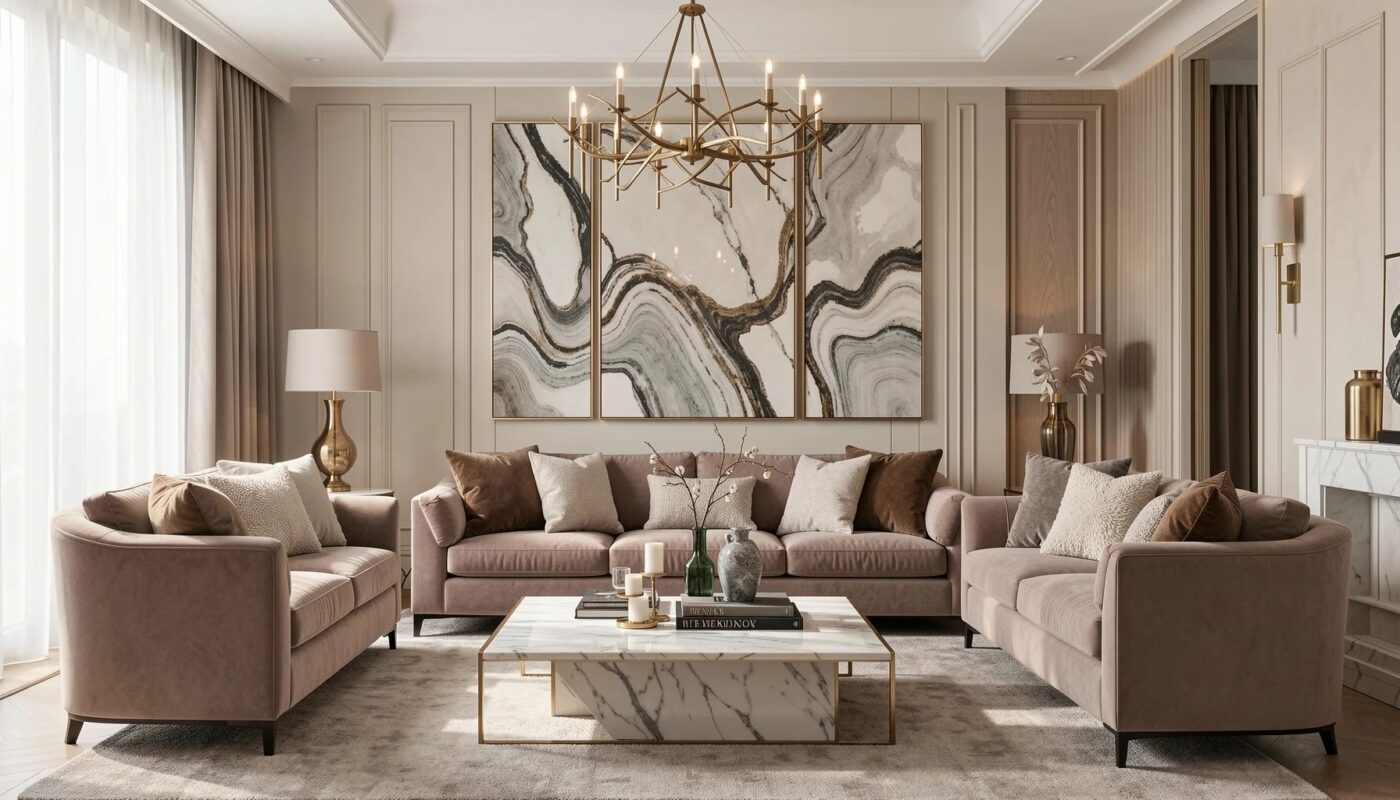
Luxury brand inspired home decor trends 2024 remains a useful search phrase, but the strongest signals in the supplied reporting point to 2026. ELLE Decor’s 29 luxury kitchen ideas, House Beautiful’s 52 luxury furniture brands, and forecasts of deeper color and more expressive interiors all point to the same opportunity: create a distinctive, designer-informed home without relying on luxury price tags.
Luxury brand inspired home decor trends 2024: what the 2026 shift means
The keyword may say 2024, but the cited coverage is about a clear 2026 shift: interiors are moving beyond uniform minimalism toward more personal, expressive spaces. The most useful response is to borrow design principles—materials, color, heritage, and curation—rather than simply copy expensive products.
Luxury Brand Inspired Home Decor Trends 2024 – Luxury brand inspired home decor trends 2024: what the 2026 shift means
Why luxury influence is changing
Luxury-inspired interiors are not just about buying recognizable labels. They translate the cues people associate with premium design—considered materials, visual balance, strong silhouettes, and a sense of history—into a home that feels intentional. This distinction matters as minimal, neutral rooms give way to more individual spaces.
Livingetc’s “15 Interior Design Trends That Will Define the Rest of 2026,” published March 15, 2026, and Ideal Home’s December 22, 2025 overview both position the year’s decor conversation around changing tastes. The provided coverage points toward richer character and more personal expression, rather than a single neutral look for every home.
That shift is an opening for budget-conscious shoppers. Instead of asking, “Which luxury item should I buy?” ask, “What makes this room feel considered?” It might be a cohesive palette, one sculptural lamp, a tactile fabric, or a carefully edited mix of old and new. Those are transferable design choices, not price tags.
For readers arriving through the 2024 keyword, the practical update is simple: treat 2024 as the search label, not the current trend forecast. The dated reports supplied here discuss 2025 and 2026. That timeline keeps research—and any purchase decisions—grounded in current coverage.
What the available reporting does and does not establish
The cited articles offer editorial trend signals, not a comprehensive sales dataset. Their titles and publication dates can help identify what editors and forecasters are discussing, but the supplied facts do not provide market share, consumer spending percentages, price changes, or proof that every trend will become mainstream.
That limit is important. A trend forecast is a prompt for exploration, not a reason to renovate immediately. Pinterest predictions reported by Axios on December 9, 2025, point to emerging interest in dramatic and “alien-core” aesthetics. They do not establish how many homeowners will adopt those looks or how long they will last.
A sound reading separates observed coverage from practical interpretation:
- Reported: ELLE Decor published 29 luxury kitchen ideas on March 2, 2026.
- Reported: House Beautiful published a list of 52 luxury furniture brands on March 5, 2026.
- Reported: Architectural Digest published expert color predictions for 2026 on December 4, 2025.
- Interpretation: These sources offer a palette of design references, not a mandate to purchase a particular brand or remodel.
For binteez.com, the useful editorial position is to help readers decode the references and apply them selectively. That creates a more durable guide than a shopping list built around fleeting product drops.
From fashion heritage to rooms with a point of view
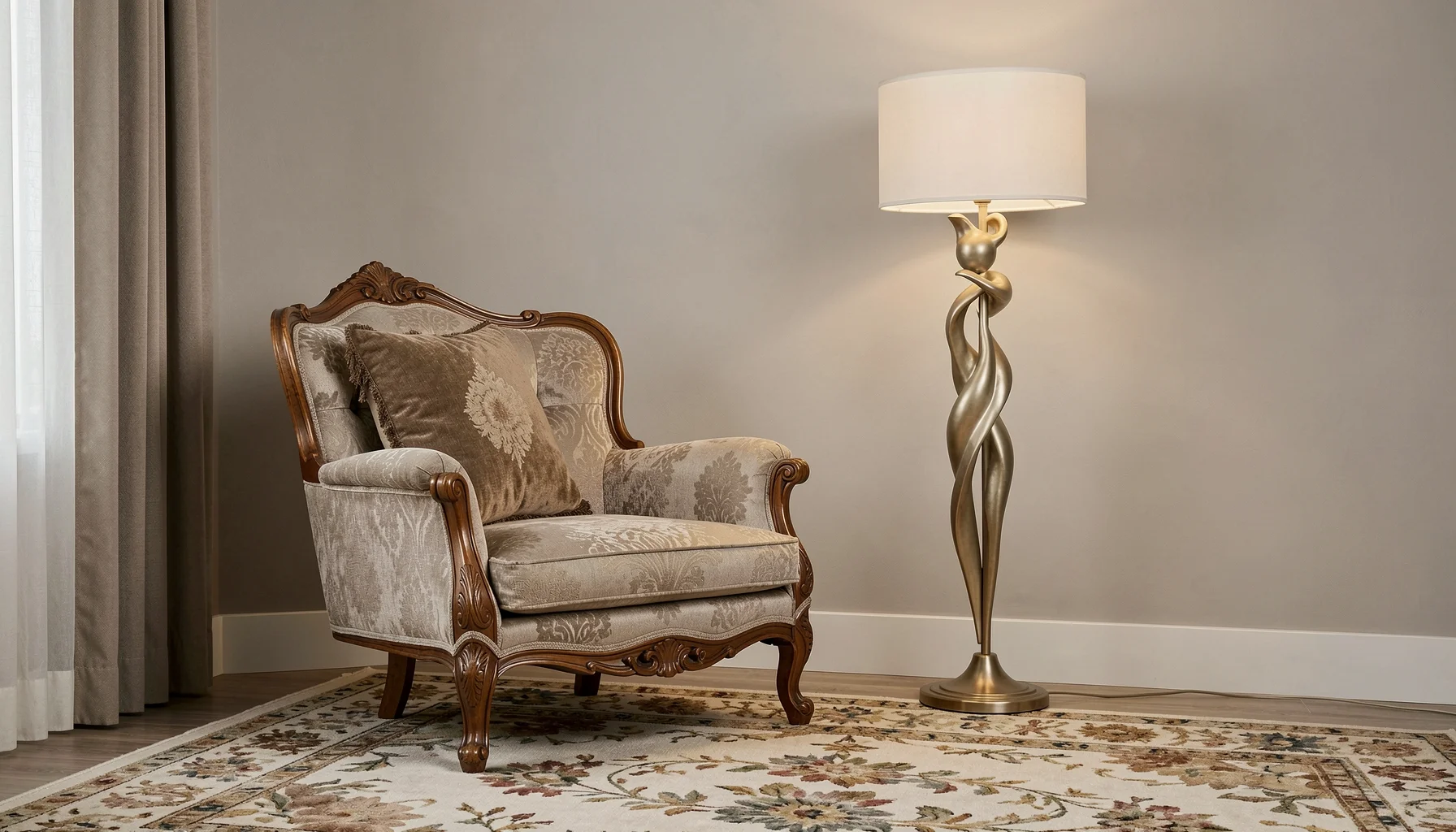
Fashion-inspired decor works because it brings recognizable stories, textures, and rituals into everyday spaces. The Ralph Lauren Christmas trend, covered by People.com on November 13, 2025, is a visible example of heritage aesthetics traveling from fashion into home styling and social media.
Luxury Brand Inspired Home Decor Trends 2024 – From fashion heritage to rooms with a point of view
Why Ralph Lauren-core resonates at home
The appeal of Ralph Lauren-inspired holiday decor is not limited to any one product. It draws on a coherent visual world: classic styling, a sense of tradition, and the feeling that objects belong together. People.com’s coverage of “Ralph Lauren Christmas” reflects how a fashion identity can become an interior reference point—and how social platforms can amplify that look.
This is a broader fashion-to-interior pattern. People already use clothing to signal personality, taste, and belonging. Bringing related cues into a room can make a home feel like an extension of that identity. A traditional, heritage-led space may use layered patterns and familiar seasonal details; a more contemporary interpretation might keep the palette restrained and use one or two vintage-inspired accents.
The valuable lesson is consistency, not costume. Reproducing every visible detail from a trend can make a room feel staged. Instead, choose two or three cues that suit the space, such as a classic color combination, a patterned textile, or an object that suggests a personal history. Let the rest of the room remain functional and individual.
This approach also explains why trend content can convert: readers are not only shopping for objects; they are trying to create a feeling. Help them define that feeling first, then choose pieces that support it.
How to borrow a brand’s aesthetic without copying its logo
Use a brand as a research reference, not a shopping instruction. House Beautiful’s “52 Luxury Furniture Brands We Love,” published March 5, 2026, gives readers a broad set of visual references. The most useful way to study such a list is to notice recurring design decisions: proportion, finish, color relationships, material combinations, and the balance between statement pieces and quieter furnishings.
Try this short process:
- Name the mood. Choose a clear description, such as heritage, tailored, glamorous, or futuristic.
- Identify visible cues. Note the colors, textures, shapes, and finishes that communicate that mood.
- Keep a small reference board. Collect a few images rather than saving every appealing room.
- Translate the cues into your own space. Look for similar proportions or materials at different price points.
- Edit before buying. Remove anything that does not support the room’s purpose or palette.
The aim is not to make an affordable room appear to be a counterfeit showroom. It is to create an original interior that uses design principles associated with a desired aesthetic. That distinction protects both your budget and the room’s character.
When researching affordable alternatives to luxury furniture brands, compare construction details and overall form, not just color or product photography. A similar silhouette may deliver the visual effect, while a different material or finish may be more practical for everyday use.
How to achieve a designer home aesthetic on a budget
A designer-looking home is usually the result of coordinated choices, not a single expensive purchase. A thoughtful palette, deliberate material mix, and restrained use of statement pieces can make a room feel elevated while leaving room in the budget for everyday needs.
Build a room around cues, not price tags
The most useful principle in dupe culture is to copy the design logic, not an exact branded object. If a high-end room feels luxurious because it combines natural stone, warm metal, and carefully balanced shapes, search for affordable pieces that echo those cues. Do not assume a low-cost item is a good alternative simply because it looks similar in a thumbnail.
Use this comparison checklist before purchasing:
- Silhouette: Does the shape evoke the reference without being an exact imitation?
- Material and finish: Does the surface fit the room’s intended look and level of use?
- Scale: Will the piece feel proportionate alongside existing furniture?
- Color: Does it complement the room’s palette in natural and artificial light?
- Function: Can it handle the way the household will actually use it?
- Longevity: Is it versatile enough to work after the trend changes?
Spend more attention on the elements that dominate a room visually or are difficult to replace. Use lower-cost accessories to test a new aesthetic before committing to larger purchases. A cushion cover, framed print, or small decorative object can introduce a color or motif without turning the entire room into a trend experiment.
There is no single budget formula supported by the cited reports, so avoid treating a percentage split as a universal rule. Instead, set a total spending limit and prioritize purchases by impact, durability, and necessity. That makes the process more honest—and more useful—than promising a designer look for a fixed price.
A comparison matrix for choosing the right direction
The matrix below turns the reported trend signals into practical options. It compares design choices, not product prices: the supplied sources do not include reliable, comparable price data.
| Design direction | Reported signal | Visual cues to explore | Lower-commitment way to try it | Best suited to |
|---|---|---|---|---|
| Heritage-inspired | People.com covered the Ralph Lauren Christmas trend in November 2025 | Traditional styling, collected details, a sense of continuity | Add one textile or seasonal accent that works with existing furnishings | Rooms where warmth and familiarity matter |
| Luxury kitchen | ELLE Decor published 29 luxury kitchen ideas in March 2026 | Natural stone, considered finishes, metallic accents | Update a small surface, hardware detail, or countertop accessory first | Kitchens needing a more polished focal point |
| Deep-color interiors | Architectural Digest published expert 2026 paint predictions in December 2025 | More depth and color character than a purely neutral scheme | Test paint samples or use color in movable decor before repainting | Spaces that feel flat or overly uniform |
| Glamour | The provided 2026 trend brief identifies glamour as a rising aesthetic | Shine, contrast, and a more dramatic focal point | Introduce one reflective or sculptural accent | Rooms that can support a stronger visual statement |
| Alien-core | Pinterest’s 2026 predictions were reported by Axios in December 2025 | Futuristic, surreal, and deliberately unexpected details | Try a small accessory or art piece rather than a permanent finish | Playful spaces and trend-conscious experiments |
Use the table as a starting point, not a prescription. A room can combine a heritage-inspired base with a single futuristic accent, but it needs a clear hierarchy. Choose one dominant direction, then let a secondary influence appear in a limited role. This keeps the room expressive without making every item compete for attention.
Luxury kitchens, deeper color, and emerging aesthetics
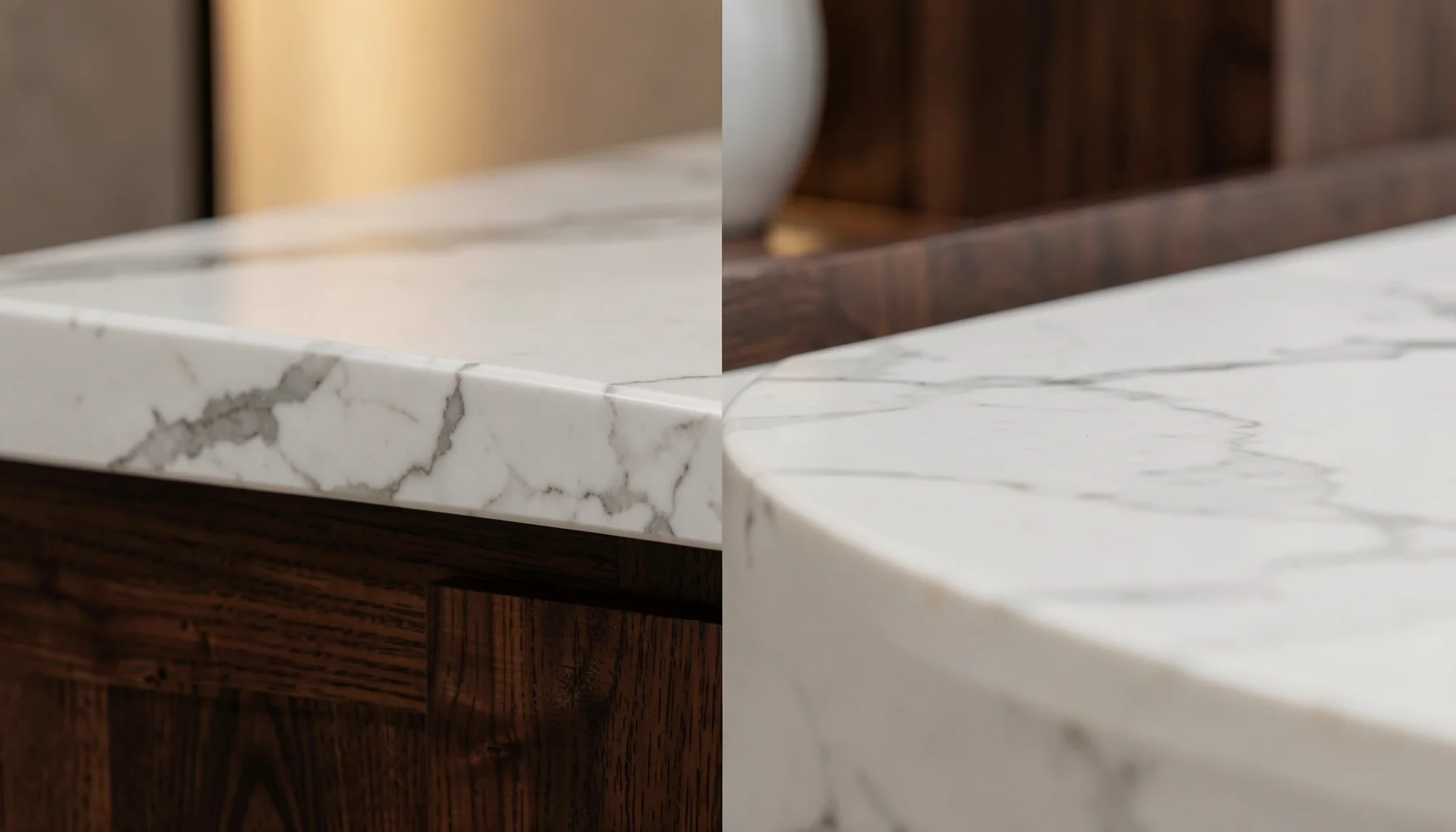
Luxury kitchen renovation ideas for 2026 center on material choices and visual cohesion. ELLE Decor’s 29 ideas highlight natural stone and precious-metal accents as routes to a designer touch, while color forecasts and emerging aesthetics offer additional ways to shape a room.
Make the kitchen upgrade selective
A kitchen can feel more considered without undergoing a complete renovation. ELLE Decor’s March 2, 2026 feature offers 29 luxury kitchen ideas, with an emphasis in the supplied trend brief on material upgrades such as natural stone and metals. The practical takeaway is to identify which surfaces and details have the greatest visual influence in your own kitchen before planning a large project.
Start by assessing what is already working. If the cabinetry is functional, a full replacement may not be the most sensible first step. Consider whether the visual issue is a dated finish, a lack of contrast, limited lighting, or accessories that do not relate to one another. Each problem calls for a different solution.
A staged approach reduces risk:
- Choose the focal point. Decide whether the room needs attention on a work surface, lighting, hardware, or display area.
- Set a material direction. Select a small palette that can relate to existing finishes.
- Test low-commitment changes. Use accessories or samples to check how materials and colors look in the room.
- Plan permanent work carefully. Confirm measurements, maintenance needs, installation requirements, and total project cost before ordering.
- Keep function first. A beautiful surface is not an improvement if it makes daily cleaning or food preparation harder.
Natural stone and metallic details can suggest luxury, but material performance matters as much as appearance. Ask suppliers about care, durability, and installation rather than relying only on styling images. The reports provide inspiration, not technical specifications for any particular product.
Let color create depth, then use trend aesthetics sparingly
Architectural Digest’s December 4, 2025 article on expert paint predictions points to deeper color choices for 2026. The supplied facts do not name particular shades, so it would be misleading to present a specific color as a confirmed consensus. The actionable signal is broader: use color to give a room more depth and character than an all-neutral scheme may provide.
Before painting, examine samples at different times of day. The same shade can look different as the light changes, and nearby flooring, counters, or furniture will affect how it reads. If you are unsure, test color on a small surface or introduce it through movable decor before making a room-wide commitment.
The more experimental end of the trend spectrum includes glamour and alien-core. Axios’s December 9, 2025 coverage of Pinterest’s 2026 predictions reports interest in dramatic and futuristic, surreal aesthetics. Treat that as a signal to explore—not proof that every home needs a sci-fi makeover. A distinctive lamp, artwork, or reflective accent can bring in the idea without overwhelming a practical space.
For most households, durability and adaptability matter more than trend purity. Keep permanent choices compatible with how the room is used, and reserve the most unusual expressions for elements that can be moved or replaced. This is especially useful when a forecast is exciting but its staying power is uncertain.
A practical strategy for buying, styling, and planning ahead
The best next move is to define the room’s purpose, select one trend direction, and test its key cues before spending heavily. Treat editorial forecasts as inspiration, compare affordable alternatives carefully, and prioritize changes that improve both the look and daily use of your home.
A five-step plan to translate inspiration into a room
A clear sequence prevents trend research from turning into impulsive shopping. Use these steps to move from inspiration to a room that feels considered:
- Audit the room. Note what you like, what frustrates you, and which items must stay.
- Choose one leading aesthetic. Heritage, glamour, deeper color, or futuristic accents can each work, but a single dominant direction makes decisions easier.
- Collect a tight reference set. Use the 52-brand overview from House Beautiful as a visual research resource, then narrow your choices to a handful of examples.
- Create a material and color plan. Identify finishes and tones that work with existing fixed elements. Test uncertain colors and materials in context.
- Buy in stages. Start with the change that has a clear purpose. Reassess the room before adding more.
This sequence helps answer the question behind many searches: How do you get a designer home aesthetic on a budget? Build cohesion first, then add distinctive details. A well-edited room often feels more intentional than one filled with individually expensive objects that have no relationship to one another.
For major work, especially a kitchen renovation, gather project-specific advice from qualified suppliers or professionals. Trend articles can help define a look, but they cannot assess your room’s structure, measurements, installation needs, or local costs.
What to buy now—and what to wait on
A useful purchase decision is based on fit, not hype. Buy now when an item solves a real problem, suits the room’s function, and works with the palette you have already chosen. Wait when the main reason for buying is that a trend is receiving attention, the product’s care requirements are unclear, or the item only works if you replace several other things.
Before ordering an affordable alternative to a luxury piece, check product dimensions, construction information, return terms, and finish details. Styling photographs are useful for mood, but they cannot confirm quality or suitability. When comparing options, ask whether you are paying for a useful design feature or merely a visual resemblance.
A simple decision filter can help:
- Does it support the room’s chosen direction?
- Will it remain useful if the trend cools?
- Can it work with furnishings you already own?
- Is its upkeep realistic for your household?
- Would you still want it without the brand reference?
Binteez.com’s perspective is to treat trend reporting as a tool for better curation, not pressure to spend. The 2026 coverage supplies inspiration across kitchens, furniture, color, heritage, and experimental aesthetics; the reader’s home, budget, and daily routines should decide what makes the final cut. For more practical inspiration, explore the related home and decor guidance at binteez.com.
FAQ
Are luxury brand inspired home decor trends 2024 still relevant?
The phrase remains useful as a search term, but the supplied trend coverage is focused on 2025 and 2026. Use “2024” to find older inspiration, then check the date and context of any article before treating it as current guidance. The enduring idea—borrowing design cues rather than buying only premium labels—still applies. For current direction, the cited reports highlight luxury kitchens, heritage-inspired styling, deeper color, glamour, and experimental aesthetics.
How can I achieve a designer home aesthetic on a budget?
Begin with a defined mood and a limited color and material palette. Study what makes the reference room feel cohesive, such as its proportions, finishes, or contrast, then look for affordable pieces that share those qualities. Prioritize function and scale, and test new colors or decorative styles with lower-commitment items first. A curated mix of practical pieces and a few intentional focal points is usually more effective than filling a room with unrelated trend purchases.
What are the most useful luxury kitchen renovation ideas for 2026?
ELLE Decor published 29 luxury kitchen ideas on March 2, 2026, emphasizing material choices such as natural stone and metallic accents in the supplied trend summary. Use these as inspiration rather than a renovation checklist. First identify what your kitchen needs, then assess which surfaces or details influence its overall look. Confirm maintenance, durability, installation, and cost with product suppliers or qualified professionals before choosing permanent materials.
Is alien-core interior design a practical choice for an everyday home?
It can be, if you use it selectively. Axios reported Pinterest’s 2026 trend predictions, including interest in dramatic and futuristic, surreal aesthetics; that signals creative exploration, not a requirement to redesign an entire home. Try the look through movable decor, artwork, or a small accent before committing to permanent finishes. Keep the main room comfortable and functional, especially if you are unsure whether the style will suit your household long term.
