
News
Are Pop Culture Bedding Sets Hypoallergenic? A Comprehensive Buyer’s Guide

Oct
Transforming a personal living space into a personalized sanctuary often involves integrating fandom motifs, but for sensitive sleepers and parents, health and safety take precedence over aesthetics. Pop culture bedding sets have surged in popularity across digital retail platforms like binteez.com, offering fans a way to showcase their favorite movies, television series, anime, and music icons right in their bedrooms. However, a common question arises regarding how these synthetic, print-on-demand textiles interact with allergies, skin sensitivities, and daily wear. This comprehensive guide explores the material compositions, manufacturing workflows, and health considerations of modern pop culture bedding, ensuring you can design a themed bedroom without compromising your indoor wellness or respiratory comfort.
Understanding the Anatomy and Material Composition of Pop Culture Bedding
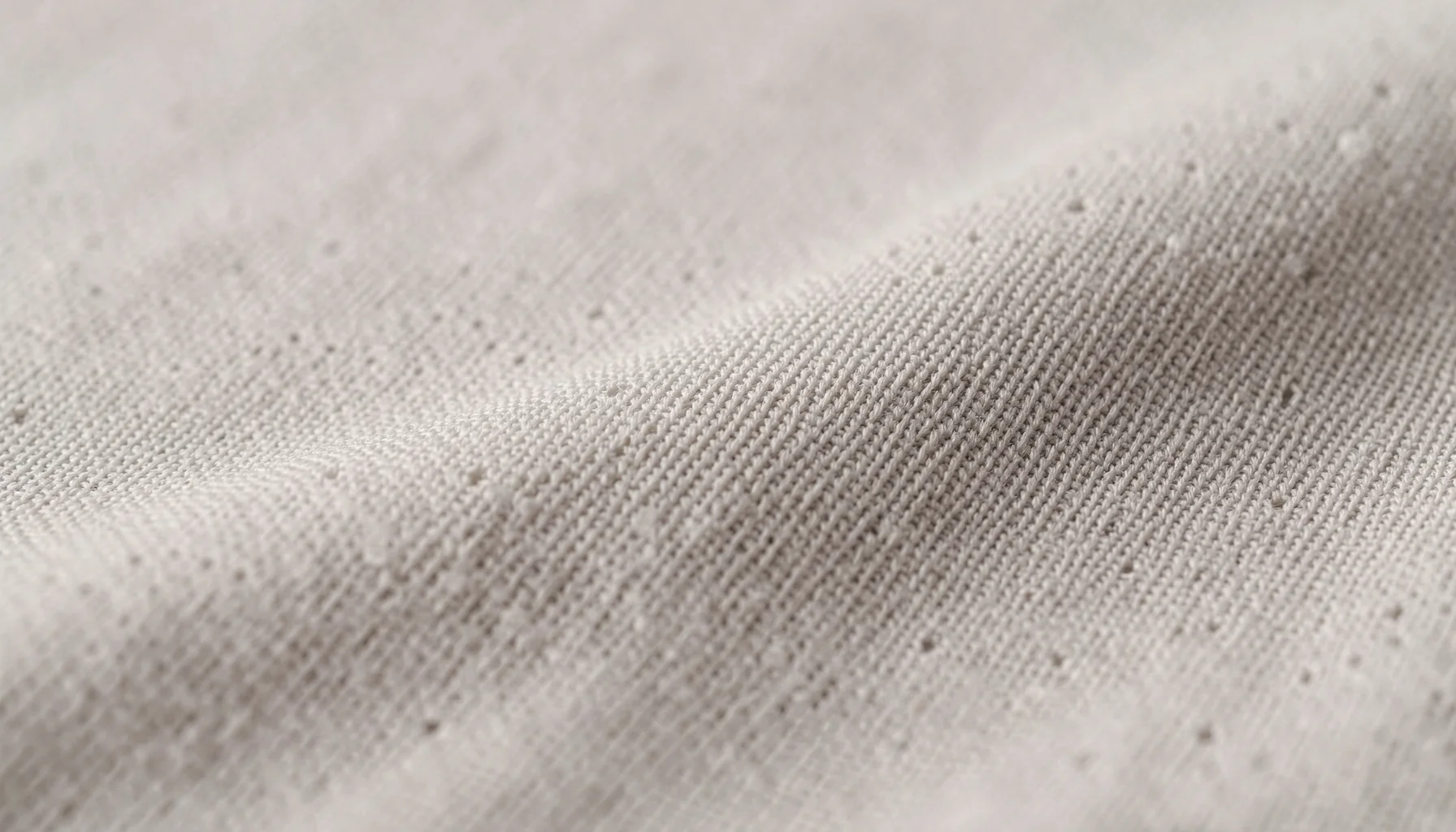
Are Pop Culture Bedding Sets Hypoallergenic? A Comprehensive Buyer’s Guide – Understanding the Anatomy and Material Composition of Pop Culture Bedding
The modern pop culture bedding market relies heavily on print-on-demand (POD) manufacturing models. Unlike traditional mass-market retail inventory that sits in warehouses for months, these bedding sets are produced on demand. This approach allows for an immense variety of graphic designs ranging from vintage media icons to trending social media aesthetics, but it also dictates the specific textile science behind the product. Understanding these physical components is vital for anyone evaluating the hypoallergenic properties of themed bedroom decor.
Synthetic Fabric Construction and Microfiber Mechanics
Most pop culture bedding sets utilize brushed polyester or microfiber blends as their primary textile base. Synthetic fibers like polyester feature a tightly woven, ultra-fine filament structure compared to natural staples such as cotton or wool. This dense micro-weave creates a physical barrier that naturally deters microscopic intruders. Because the individual threads are tightly packed, common indoor allergens find it difficult to penetrate the fabric matrix, establishing a reliable baseline for sensitive sleepers.
Dye-Sublimation and Direct-to-Fabric Printing Technology
Applying high-resolution pop culture graphics to textiles requires specialized printing technology, predominantly dye-sublimation or digital direct-to-fabric printing. In dye-sublimation processes, inks are transformed from a solid state into a gas using heat, bonding directly with the synthetic polyester fibers at a molecular level. This ensures that the graphic remains breathable, soft to the touch, and free of heavy, rubberized layers that could trap moisture, foster bacterial growth, or irritate sensitive skin during sleep cycles.
Standard Set Inclusions and Ergonomic Design
A typical pop culture bedding package curated by platforms like binteez.com includes one duvet cover (or lightweight comforter) and two matching pillowcases. Because these components are engineered to be lightweight and easily removable, they facilitate frequent laundering routines. For individuals managing dust mite allergies or seasonal sensitivities, the ability to regularly wash bedding at high temperatures without degrading the vibrant fan-art imagery is an essential structural advantage.
Technical Specifications and Material Comparison

Are Pop Culture Bedding Sets Hypoallergenic? A Comprehensive Buyer’s Guide – Technical Specifications and Material Comparison
Evaluating bedding options requires a clear side-by-side analysis of how synthetic pop culture textiles compare to traditional natural fibers. While natural down or high-thread-count cotton offers distinct tactile experiences, synthetic microfiber alternatives introduce unique maintenance and allergen-resistance profiles that appeal to specific consumer demographics.
Technical Specification Overview of Pop Culture Bedding Sets
| Feature / Metric | Pop Culture Microfiber/Polyester Sets | Traditional Cotton Bedding | Luxury Down Bedding Sets |
|---|---|---|---|
| Primary Material | Brushed Polyester / Microfiber Blend | 100% Staple Cotton Fibers | Natural Goose/Duck Down & Feathers |
| Allergen Resistance | High (Resistant to dust mites, mold, pet dander) | Moderate (Requires tight weaves to block allergens) | Low-Moderate (Prone to trapping dust mites and dander) |
| Moisture Management | Hydrophobic (Wicks moisture, dries rapidly) | Hydrophilic (Absorbs moisture, retains humidity) | High moisture retention (Requires careful airing) |
| Maintenance Profile | Machine washable, quick-dry, wrinkle-resistant | Requires specific washing to prevent shrinking | Specialized dry cleaning or careful laundering |
| Design Integration | High-definition digital/sublimation print | Limited to woven patterns or surface printing | Solid colors or traditional embroidered motifs |
Evaluating Breathability and Thermal Regulation
A frequent concern regarding synthetic bedding is thermal retention. Traditional misconceptions suggest that polyester traps excessive body heat. However, modern brushed microfiber utilizes advanced mechanical brushing techniques that raise a delicate, velvety nap on the fabric surface. This micro-texture enhances air circulation across the sleep surface, balancing warmth with breathability for comfortable year-round use by both adults and children.
Durability Versus Natural Fiber Wear Cycles
The synthetic polymer chains in polyester provide exceptional tensile strength. Unlike natural fibers that may weaken or thin over repeated industrial laundering cycles, high-grade polyester blends maintain their structural integrity and color vibrancy. This ensures that the detailed pop culture graphics do not fade, crack, or peel, preserving both the aesthetic value and the hygienic surface condition over years of active use.
Step-by-Step Guide to Selecting and Maintaining Hypoallergenic Fandom Bedding
Implementing a themed bedroom makeover requires a methodical approach, particularly when balancing aesthetic fandom goals with strict health and safety parameters. Following a structured workflow from initial browsing to daily maintenance ensures your bedroom remains a clean, allergen-controlled environment.
Step-by-Step Implementation Workflow for Sensitive Sleepers
- Browse and Filter by Material Composition: Navigate to trusted platforms like binteez.com and review the product specifications. Confirm that the bedding utilizes hypoallergenic brushed microfiber or high-grade polyester blends rather than unverified textile mixtures.
- Select Appropriate Sizing and Components: Choose the correct bed size (Twin, Queen, King) to ensure proper drape and coverage. Verify whether the set includes a duvet cover with secure corner ties or an integrated lightweight comforter.
- Inspect Print and Finishing Methods: Ensure the graphics are applied via modern digital sublimation techniques, which embed ink into the fibers rather than laying a heavy chemical coating over the fabric surface.
- Execute Initial Pre-Wash Routine: Upon delivery, immediately wash the bedding set in warm water using a gentle, fragrance-free detergent to remove any residual manufacturing particulates or transit dust.
- Establish a Consistent Laundering Schedule: Wash the duvet covers and pillowcases every 7 to 10 days in water temperatures exceeding 130°F (54°C) to effectively neutralize any accumulated dust mites or surface allergens.
Addressing Health and Safety Concerns for Parents
Parents often hesitate to purchase custom fan-art bedding for children due to worries about chemical treatments or skin irritation. Because high-quality polyester microfiber is naturally inert and resistant to mold spores, it creates a safer environment for children prone to eczema or allergic rhinitis. Furthermore, the absence of loose down feathers eliminates major triggers for pediatric asthma and airborne respiratory sensitivities.
Optimizing the Sleep Environment Beyond the Bedding
While selecting hypoallergenic sheets and duvet covers is a critical milestone, a truly clean sleep space requires a holistic approach. Pair your pop culture bedding sets with hypoallergenic mattress protectors, washable accent pillows, and regular vacuuming routines utilizing HEPA-filtration vacuums to minimize overall indoor allergen loads.
Pro Tips, Common Pitfall Solutions, and Real-World Use Cases
Maximizing the lifespan and health benefits of pop culture bedding requires awareness of common user errors and practical strategies tailored to specific lifestyle needs. Whether you are an interior content creator or a parent designing a child’s bedroom, understanding these nuances prevents premature wear and maximizes comfort.
Avoiding Common Maintenance Pitfalls
A frequent mistake made by consumers is washing synthetic microfiber bedding on high heat or using harsh chlorine bleach. High dryer temperatures can melt or warp synthetic micro-filaments, diminishing the fabric’s soft brushed texture. Always tumble dry on low heat or line dry your pop culture bedding sets to preserve both the fabric’s tactile softness and the crisp resolution of the printed artwork.
Practical Use Cases for 2026 Lifestyles
- Themed Room Makeovers for Gen Z and Millennials: Fans utilize specific anime, gaming, and cinematic motifs to curate immersive, highly personalized living spaces that reflect their individual identities without sacrificing sleep hygiene.
- Social Media Content Creation Backdrops: Content creators and influencers leverage visually striking, high-definition pop culture bedroom aesthetics to construct clean, engaging, and professional video backgrounds for streaming and short-form video platforms.
- Allergy-Conscious Guest Bedrooms: Homeowners outfit guest quarters with easy-to-clean, hypoallergenic fandom bedding to accommodate visiting friends and relatives seamlessly without triggering unexpected allergy flare-ups.
Managing Static Electricity in Dry Climates
Synthetic polyester and microfiber blends can occasionally accumulate static electricity, particularly in winter months or arid environments. To counteract this without introducing heavy chemical softeners that can coat and trap allergens in the fabric weave, use wool dryer balls during the drying cycle or incorporate a gentle, plant-based anti-static laundry rinse.
Enterprise Considerations and Strategic Outlook from Binteez
As consumer expectations evolve toward hyper-personalization, health consciousness, and sustainable retail practices, the print-on-demand home textile industry stands at a significant operational crossroads. Examining the broader industry trajectory provides insight into why platforms like binteez.com continue to refine their manufacturing standards and product offerings.
The Shift Toward Sustainable and Eco-Friendly Synthetics
The primary environmental criticism of polyester-based textiles has historically centered around petroleum dependence and microplastic shedding during washing. Looking toward 2026 and beyond, industry leaders are increasingly sourcing recycled polyethylene terephthalate (rPET) derived from post-consumer plastic bottles. This evolution allows platforms to maintain the hypoallergenic, tightly woven benefits of microfibers while significantly reducing the ecological footprint of custom home furnishings.
Advanced Digital Printing and Skin Safety Compliance
Regulatory standards regarding textile dyes and chemical finishes are becoming increasingly stringent worldwide. Modern print-on-demand infrastructure relies on OEKO-TEX certified inks and water-based digital printing solutions. These advancements ensure that fan-art imagery and vibrant pop culture graphics are entirely free from harmful heavy metals, formaldehyde, and skin-sensitizing azo dyes, offering complete peace of mind for sensitive sleepers and households with young children.
The Future of Fandom Decor and Customization
The intersection of e-commerce customization and home textiles is redefining interior design. Rather than relying on static big-box retail inventories, consumers increasingly demand dynamic, niche-specific designs that celebrate their exact fandom passions. By coupling responsive digital supply chains with rigorous hypoallergenic material standards, platforms like binteez.com bridge the gap between creative self-expression and domestic health, setting a new benchmark for modern lifestyle retail.
Frequently Asked Questions
Are pop culture bedding sets safe for individuals with severe allergies or asthma?
Yes, pop culture bedding sets made from brushed microfiber or polyester blends are generally well-suited for allergy sufferers. The ultra-fine, tightly woven synthetic fibers create a dense physical barrier that prevents dust mites, mold spores, and pet dander from penetrating the material. However, individuals should ensure they maintain a regular washing routine using warm water to eliminate any surface allergens that settle on the fabric over time.
How do print-on-demand bedding materials compare to traditional cotton in texture?
Print-on-demand bedding utilizes advanced digital or dye-sublimation printing on brushed polyester microfiber. While traditional cotton offers a crisp or heavy natural feel, modern brushed microfiber features a velvety, lightweight nap that provides immediate breathability and softness. This manufacturing method ensures the graphic art bonds directly with the fibers, preventing stiff, heavy layers that could cause discomfort or trap unwanted heat during sleep.
What is the correct way to wash and maintain these bedding sets to preserve the graphics?
To maintain the vibrancy of the pop culture graphics and preserve the structural integrity of the synthetic fabric, wash the bedding set in cold or warm water using a mild, fragrance-free detergent. Avoid using chlorine bleach or fabric softeners, which can coat the microfibers and degrade the print. Tumble dry on low heat or line dry, as excessive high heat can warp the synthetic micro-filaments and diminish the fabric’s soft texture.
Do pop culture bedding sets trap excessive body heat throughout the night?
Modern microfiber and polyester blends used in reputable fandom bedding are engineered with advanced breathability in mind. The mechanical brushing process raises a delicate micro-nap on the fabric surface, which enhances air circulation and moisture-wicking properties. While heavy or low-grade synthetics can sometimes retain heat, high-grade microfibers provide balanced thermal regulation suitable for comfortable, year-round sleeping environments.
Are pop culture bedding sets safe for sensitive skin or allergy sufferers?
Yes, high-quality pop culture bedding sets—particularly those crafted from tightly woven microfiber or hypoallergenic cotton blends—are exceptionally well-suited for allergy sufferers and individuals with sensitive skin. Unlike traditional materials that can harbor dust mites, pet dander, and microscopic allergens within loose natural fibers, dense synthetic microfibers create a physical barrier that prevents these irritants from penetrating the fabric. Furthermore, reputable manufacturers utilize OEKO-TEX certified, eco-friendly dyes and printing agents that are free from harsh chemicals, heavy metals, and formaldehyde, ensuring a gentle, non-irritating touch against the skin throughout the night.
Conclusion: Transform Your Space Into the Ultimate Fan Sanctuary
Investing in a pop culture bedding set is much more than a simple interior design choice; it is an immersive expression of your identity, passions, and creative spirit. Whether you want to wake up surrounded by the futuristic neon glow of cyberpunk cities, the epic landscapes of high-fantasy realms, or the iconic silhouettes of legendary anime heroes, the right bedding set bridges the gap between everyday comfort and extraordinary imagination.
By prioritizing high-grade materials, durable reactive printing techniques, and diligent maintenance routines, you can enjoy a vibrant, hotel-quality sleep sanctuary that stands the test of time. Don’t let your bedroom remain a blank, uninspired canvas. Explore the vast universe of pop culture bedding today, select the fandom that speaks to your soul, and transform your bedroom into a sanctuary where epic dreams become a nightly reality.
See More Here:
