
News
luxury brand inspired home decor vs generic decor: Is Generic Home Decor Worth It?
Oct
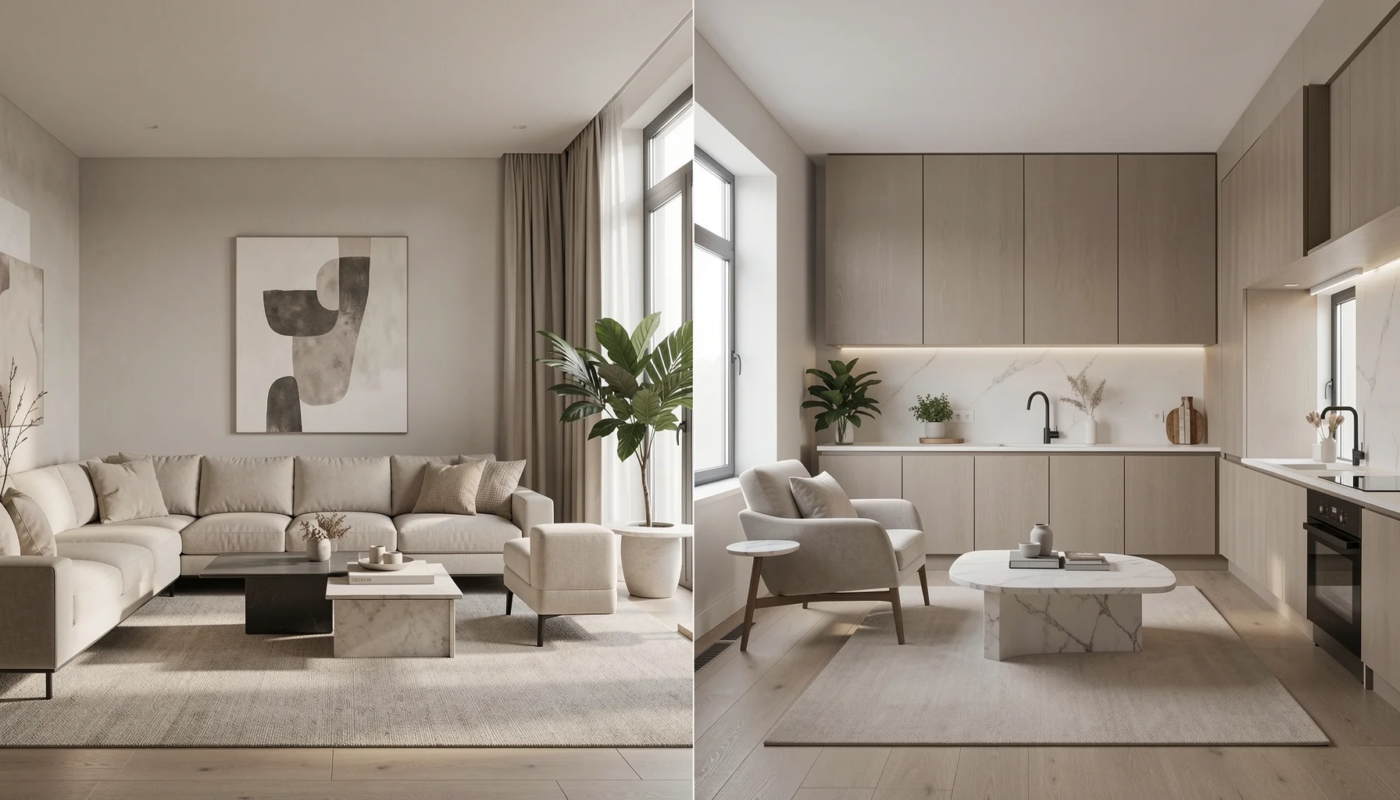
luxury brand inspired home decor vs generic decor comes down to priorities: inspired pieces are better for buyers who want a distinctive, high-impact room, while Generic Home Decor is better for tight budgets, rentals, families, and high-wear spaces. The “upgrade” is usually visual rather than structural, so compare materials, durability, legal design differences, maintenance, and replacement cost—not just the photograph.
What Separates Inspired Decor from Generic Home Decor?
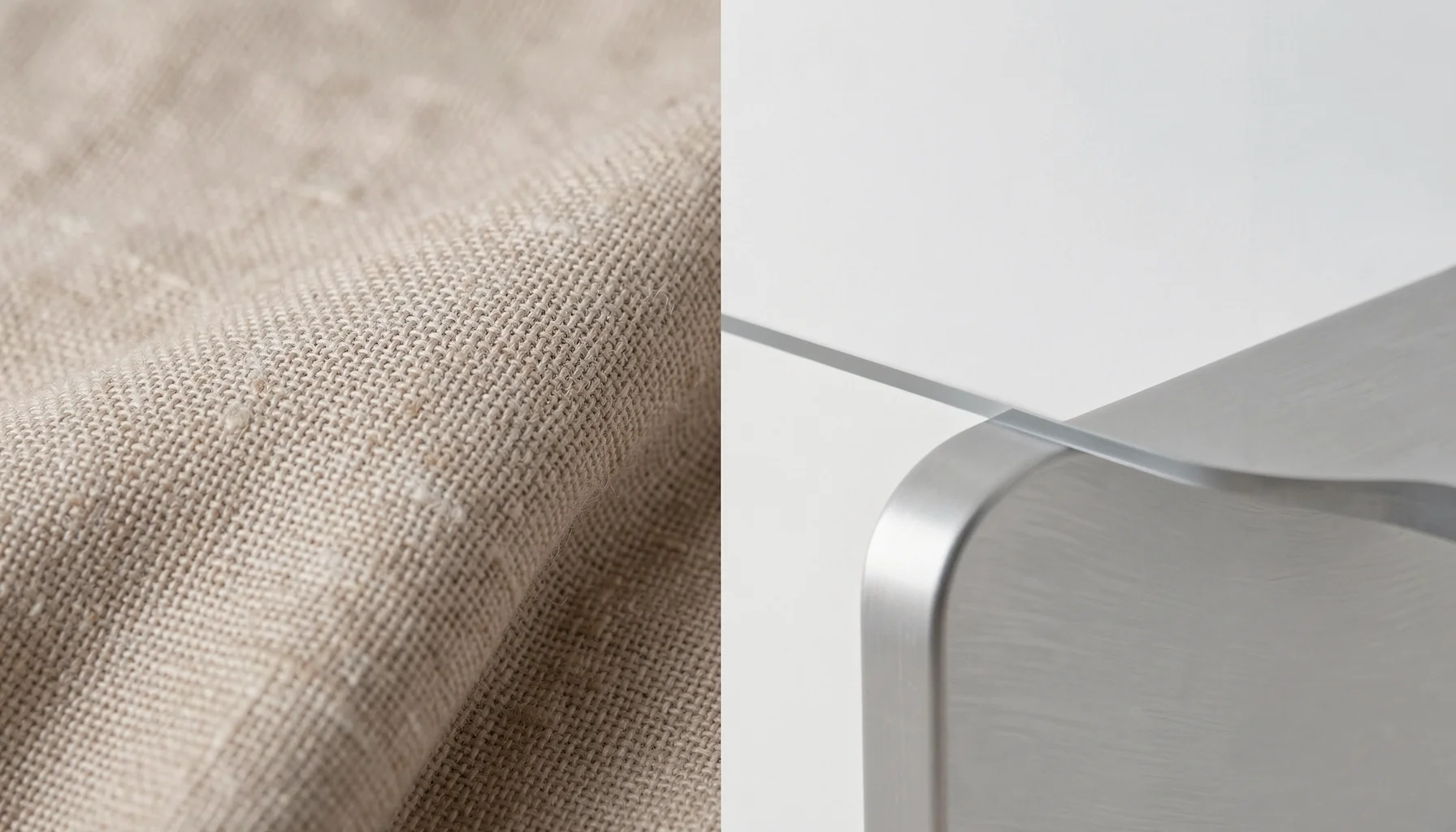
Luxury brand-inspired decor imitates the visual language of established design houses without claiming to be authentic branded merchandise. Generic Home Decor is mass-produced, widely available, and primarily optimized for affordability, utility, and easy replacement.
luxury brand inspired home decor vs generic decor: Is Generic Home Decor Worth It? – What Separates Inspired Decor from Generic Home Decor?
Definitions and market positioning
Luxury brand-inspired home decor—also called an aesthetic dupe or homage piece—typically borrows a recognizable silhouette, palette, finish, or design movement associated with high-end interiors. Examples may reference Mid-Century Modern, Art Deco, minimalist luxury, or the visual character of brands such as Hermès, Knoll, or Roche Bobois without using their trademarks.
These products occupy an accessible-luxury position. They are not authentic designer goods, and their higher price does not automatically indicate better craftsmanship. The premium often reflects styling, perceived exclusivity, curated presentation, and the statement-making quality of the design.
Generic Home Decor is unbranded or mass-market decor sold through retailers and marketplaces such as IKEA, Target, Walmart, Amazon, Wayfair, Temu, or AliExpress. It may follow current trends, but it is generally designed to blend into multiple rooms rather than establish a specific design identity.
What each category is designed to do
The practical distinction is design intent:
- Inspired decor: Create a focal point, elevate a room’s visual identity, and imitate the atmosphere of luxury interiors.
- Generic decor: Fill a functional need affordably, coordinate with existing furniture, and remain easy to replace.
- Inspired materials: May include faux marble, engineered wood with quality veneers, synthetic leather, plated metals, and other look-alike finishes.
- Generic materials: Commonly include MDF, polyester blends, injection-molded plastics, mass-produced ceramics, and plated base metals.
- Inspired purchasing: Often begins with social media discovery, curated marketplaces, or boutique drops.
- Generic purchasing: Usually begins with search results, big-box stores, standardized reviews, shipping speed, and return policies.
Neither category is universally superior. The right choice depends on whether the item is a room-defining investment or a replaceable solution.
Head-to-head comparison matrix
| Comparison criterion in English | luxury brand inspired home decor vs generic decor | Generic Home Decor | Verdict in English |
|---|---|---|---|
| Primary purpose | Creates a visual statement and a luxury-inspired atmosphere | Provides affordable utility and broad stylistic compatibility | Inspired decor wins for impact; generic wins for practicality |
| Typical aesthetic | Specific, curated, and influenced by high-end design movements | Neutral, trend-led, Scandi-Boho, industrial, minimalist, or replica-inspired | Depends on the room’s design brief |
| Materials | Look-alike materials such as faux marble, engineered wood, veneers, and synthetic leather | MDF, plastics, polyester blends, ceramics, and plated base metals | Neither guarantees superior construction |
| Price position | Usually carries a design premium above basic mass-market products | Entry-level pricing driven by economies of scale | Generic decor wins on initial cost |
| Durability | Highly variable; attractive styling does not prove structural longevity | Highly variable; quality control can be inconsistent | Inspect specifications and reviews in both categories |
| Availability | May be limited to boutiques, curated sellers, Etsy, Wayfair, or social-commerce drops | Widely available through big-box retailers and marketplaces | Generic decor wins for speed and convenience |
| Room role | Best as a focal point, statement chair, mirror, lamp, or accent table | Best for supporting pieces, storage, seasonal styling, and utility | Use a hybrid strategy for balanced interiors |
| Maintenance | Finishes may require careful cleaning to preserve the visual effect | Usually selected for easy replacement, although materials vary | Check care instructions before buying |
| Customization | Often selected around a specific aesthetic or room concept | More interchangeable and easier to coordinate | Inspired decor wins for cohesive luxury styling |
| Resale value | Usually near zero compared with authentic designer pieces | Generally near zero because of mass production | Neither should be bought as an investment |
| Sustainability | May share manufacturing origins with generic goods despite a luxury appearance | Often criticized for short lifecycles, shipping emissions, and landfill waste | Buy fewer, better-verified pieces where possible |
| Legal considerations | Must avoid trademarks and may raise concerns if patented silhouettes are copied | Generally less associated with design imitation, but sellers may still reproduce trends | Check seller transparency and originality |
| Best user | Aspirational decorators, hybrid stylists, content creators, and premium rental hosts | Renters, students, families, home offices, and high-traffic households | Choose according to use case, not status |
| 2026 relevance | Useful for photogenic short-term rentals and content studios | Useful for rental-friendly upgrades, seasonal refreshes, and temporary styling | Both serve strong but different 2026 needs |
Design, Build Quality, and Visual Impact
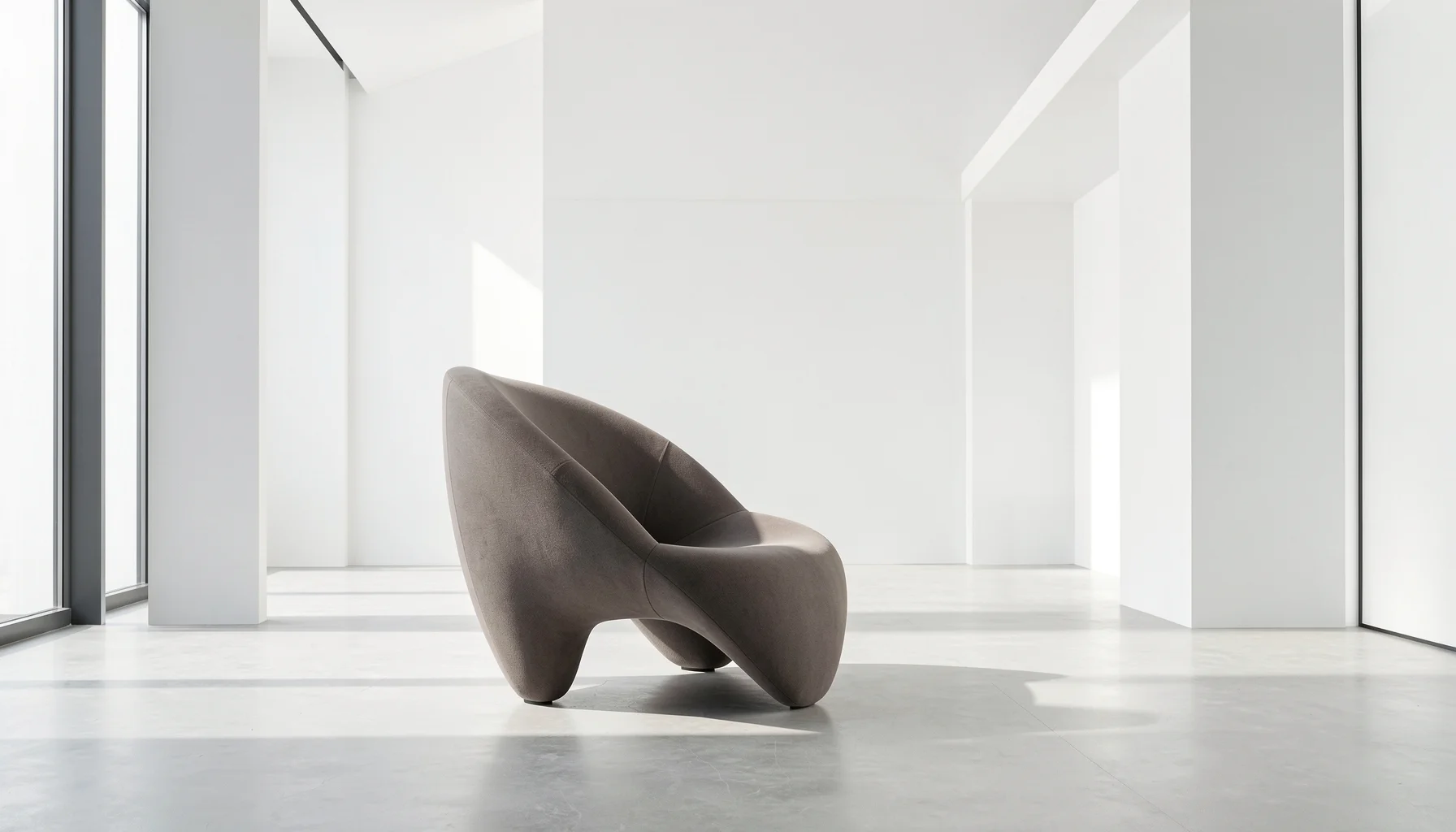
Inspired decor generally offers stronger visual impact because it is built around a recognizable design concept. Generic Home Decor is more adaptable, but its broad appeal can make a room feel less distinctive when every piece comes from the same mass-market trend cycle.
luxury brand inspired home decor vs generic decor: Is Generic Home Decor Worth It? – Design, Build Quality, and Visual Impact
Aesthetic performance versus construction
The main advantage of inspired decor is design specificity. A sculptural chair, curved console, faux-marble side table, or dramatic lamp can establish a room’s character faster than several ordinary accessories. This makes the category attractive to aspirational decorators, short-term-rental hosts, and content creators who need a visually memorable setting.
However, visual resemblance is not the same as authentic construction. A luxury-inspired table may reproduce the appearance of stone while using engineered wood or a printed surface. A synthetic leather chair may photograph convincingly while offering less aging performance than a genuine premium hide. The product should therefore be judged by its joinery, hardware, weight, finish consistency, upholstery density, and warranty—not its styling alone.
Generic decor usually takes a quieter approach. Its neutral colors, modular forms, and familiar dimensions make it easier to combine with existing furniture. This is valuable in rental apartments, dormitories, home offices, and family rooms where flexibility matters more than visual drama.
Pros and cons of inspired decor
Pros
- Delivers a stronger focal point with fewer purchases.
- Helps create a coordinated Mid-Century Modern, Art Deco, or minimalist-luxury look.
- Can improve the perceived visual value of a short-term rental or studio backdrop.
- Gives hybrid stylists a way to combine premium-looking accents with practical furniture.
- Offers more distinctive silhouettes than many utility-first products.
Cons
- The design premium may exceed the difference in material quality.
- Marketing imagery can hide inconsistent finishes, scale problems, or weak construction.
- Similarity to protected industrial designs may create legal concerns even when logos are absent.
- Resale value is typically close to zero.
- “Luxury-inspired” does not prove ethical sourcing, sustainable manufacturing, or heirloom durability.
Pros and cons of Generic Home Decor
Pros
- Lower initial cost supports full-room furnishing on a limited budget.
- Broad availability makes replacement, matching, and returns easier.
- Neutral designs work across multiple interiors and rental properties.
- Suitable for high-traffic areas where damage and frequent replacement are expected.
- Useful for seasonal updates, temporary staging, and removable rental-friendly upgrades.
Cons
- Quality control can vary substantially between sellers and batches.
- Fast trend cycles can make items look dated quickly.
- Low-cost materials may show wear, scratches, fading, or loose hardware sooner.
- Global shipping and short product lifecycles can increase environmental impact.
- Highly saturated marketplaces make it difficult to distinguish reliable products from weak copies.
Features and Performance in Real Rooms
Performance depends less on the label and more on how the item is used. Inspired decor tends to perform best as a controlled visual accent, while Generic Home Decor performs best when availability, replaceability, and low financial exposure matter.
Material and finish benchmarks
For both categories, inspect measurable specifications before relying on product photography. Useful checks include:
- Dimensions: Confirm that the item fits circulation paths, doorways, and the scale of nearby furniture.
- Core material: Distinguish solid wood, veneer, MDF, plastic, metal, engineered stone, and printed laminate.
- Surface finish: Look for descriptions of powder coating, plating, lacquer, veneer, faux stone, or synthetic upholstery.
- Weight capacity: Important for shelving, seating, tables, and wall-mounted products.
- Hardware: Check whether hinges, drawer slides, fasteners, and mounting systems are identified.
- Care requirements: Confirm whether the finish tolerates moisture, heat, stains, sunlight, or frequent cleaning.
- Warranty and returns: A transparent policy can reveal more about seller confidence than luxury-oriented copy.
Inspired products can outperform generic ones when their supplier invests in better veneers, denser padding, more consistent finishing, or stronger hardware. Yet many inspired pieces come from the same broad manufacturing ecosystem as mass-market goods. The visual premium may therefore be real while the structural upgrade is modest.
Use-case performance
For a content creation studio, a carefully selected inspired mirror, chair, lamp, or console can provide more visual identity per square foot. For a high-end short-term rental, statement pieces may support a premium atmosphere and help listing photographs stand out. These benefits are aesthetic and commercial, not guaranteed financial returns.
Generic decor is often the safer choice for home offices, dormitories, children’s spaces, and high-traffic entryways. If a $25 accessory is damaged, replaced, or discarded, the financial consequence is lower than with an expensive focal piece. Generic modular shelving, cushion covers, faux botanicals, wall art, and peel-and-stick upgrades are especially practical for renters.
A hybrid approach often produces the strongest performance: use one or two verified inspired pieces where guests look first, then use generic products for storage, textiles, seasonal accents, and replaceable accessories.
A practical 2026 performance scorecard
Rather than inventing a universal durability percentage, evaluate each item against the room’s actual demands:
- Daily contact: Choose robust, easily cleaned products for handles, seating, dining surfaces, and entryways.
- Photographic importance: Prioritize silhouette, finish, and scale for pieces visible in listing or social-media images.
- Replacement frequency: Use generic products when seasonal turnover or heavy wear is expected.
- Visual longevity: Favor restrained forms over viral details likely to date quickly.
- Environmental exposure: Verify fade resistance and material care for sunlit rooms or covered outdoor areas.
The best performer is the product that meets the room’s stress level without paying for decorative performance you will not use.
Real-World Usability and Buying Workflow
Generic Home Decor is easier to source and replace, while inspired decor requires more careful vetting. In both categories, user-generated photographs, seller transparency, and return conditions are more dependable than polished promotional images.
Where shoppers discover each option
Inspired decor is frequently discovered through TikTok and Instagram “dupe” accounts, curated Etsy or Wayfair listings, boutique drops, and interior-design content. These channels are useful for finding distinctive pieces, but they can overemphasize styling and understate scale, texture, and construction.
Generic decor is easier to find through marketplace searches, physical big-box stores, retailer apps, and direct-to-consumer storefronts. The convenience is valuable, although market saturation creates its own risks: multiple sellers may use identical images while offering different quality levels.
For either category, prioritize listings that show:
- Customer photographs in ordinary lighting.
- Close-ups of edges, seams, hardware, and surfaces.
- Complete dimensions and material disclosures.
- Shipping, assembly, warranty, and return information.
- Consistent reviews across multiple batches or variants.
Step-by-step purchase process
Step 1: Define the room’s job.
Decide whether the item must create visual impact, survive daily use, fill storage needs, or remain easy to replace.
Step 2: Set a total-cost ceiling.
Include delivery, assembly, accessories, maintenance, and the likely cost of replacement—not just the displayed price.
Step 3: Separate appearance from specification.
Write down the finish you want, then independently verify the core material, dimensions, weight, and care requirements.
Step 4: Check real-world evidence.
Read lower-rated reviews first. Look for recurring complaints about color accuracy, wobbling, peeling, odor, missing parts, or misleading scale.
Step 5: Test design originality and seller clarity.
Avoid listings using protected logos or implying official brand affiliation. Choose sellers that describe the product honestly.
Step 6: Make the room-level decision.
Buy an inspired statement piece only if it improves the room materially. Otherwise, select a generic alternative and reserve the budget for a more durable priority.
Which option is easier to live with?
Generic decor usually wins on convenience because replacement parts, matching products, and alternative sellers are easier to find. It is also less psychologically expensive to modify or discard when a trend changes.
Inspired decor can be equally usable when selected as a deliberate accent rather than the foundation of every room. Too many statement pieces can create visual competition, while an entire room of inexpensive replicas may feel thematically repetitive. A restrained combination—one focal item, practical generic furniture, and carefully chosen textiles—often produces a more believable result.
For research-led buying guidance, binteez.com can help readers compare product claims, identify practical trade-offs, and approach trend-driven purchases with greater scrutiny.
Value for Money, Sustainability, and the Final Buying Decision
Inspired decor is worth the upgrade when its distinctive appearance solves a real design problem. Generic Home Decor is the better financial decision when the item is temporary, heavily used, replaceable, or primarily functional.
Understanding the real economics
The price gap should be evaluated as cost per useful year, not simply cost per item. A $300 inspired accent that remains attractive and functional for several years may offer better practical value than three $100 trend pieces that require frequent replacement. Conversely, a premium-looking item that chips, wobbles, fades, or becomes difficult to clean is poor value regardless of its appearance.
Generic decor has a strong economic advantage for first apartments, dormitories, rental-friendly updates, and high-turnover properties. Its low entry price allows buyers to furnish more space and experiment with styles without committing substantial capital. Its weakness is the potential for repeated replacement, inconsistent quality, and higher total consumption.
There is no grounded basis for claiming a universal percentage savings or return on investment for either category. Outcomes depend on seller quality, room usage, shipping, lifespan, and whether the item contributes to measurable rental or business performance.
Sustainability and resale reality
Authentic designer goods may retain value as collectible or vintage pieces, but inspired decor generally does not share that resale profile. Buyers should assume near-zero resale value unless a product has unusual craftsmanship, recognized provenance, or exceptional condition.
Generic decor faces criticism for fast-furniture cycles, non-recyclable materials, global shipping emissions, and short lifespans. Inspired decor can have the same environmental weaknesses even when its styling appears more refined. The “luxury” label is not proof of sustainability.
A more responsible buying strategy is to purchase fewer, better-verified pieces; select adaptable designs; repair where practical; donate usable products; and avoid impulse purchases driven solely by social-media novelty.
Pros, cons, and decisive buyer framework
Choose luxury brand-inspired decor when:
- You need one memorable focal point rather than many accessories.
- You are staging a premium short-term rental or content studio.
- A specific silhouette or material palette is central to your design plan.
- You can verify construction, dimensions, care instructions, and seller reliability.
- The item will remain useful even if the trend fades.
Choose Generic Home Decor when:
- You are furnishing a rental, dormitory, starter home, or home office.
- The item will face children, pets, heavy traffic, spills, or frequent moves.
- You need modular storage, seasonal accessories, or easy replacement.
- Your priority is function, availability, and low upfront cost.
- You are testing a style before making a larger investment.
Use a hybrid strategy when:
- You want a premium visual impression without a premium budget.
- The room needs one statement piece and several practical supporting items.
- You are balancing appearance with cleaning, maintenance, and replacement costs.
- You want to reduce unnecessary consumption while preserving design character.
The most reliable recommendation from binteez.com’s research perspective is to buy for the room’s actual job. Do not pay a design premium for a utility item, and do not let a low price justify a product that will require immediate replacement. Use a trusted product-research resource such as binteez.com to compare seller claims, specifications, and long-term practical value before committing.
FAQ
Is luxury brand-inspired home decor better than Generic Home Decor?
Not universally. Luxury brand-inspired decor is better when your priority is a distinctive focal point, a coordinated design concept, or a photogenic short-term-rental setting. Generic Home Decor is better when affordability, flexibility, easy replacement, and daily durability matter most. Inspired products may look more expensive without using better structural materials, so inspect specifications, customer photographs, warranties, and return policies before assuming the premium represents higher quality.
Does luxury-inspired decor have good resale value?
Usually, no. Unlike authentic designer pieces with documented provenance, luxury-inspired decor typically has near-zero resale value because it is not an original branded collectible. Generic Home Decor also commonly resells for little because it is mass-produced and widely available. Treat both categories as consumption purchases rather than investments. If resale matters, prioritize durable construction, timeless proportions, recognizable craftsmanship, and transparent provenance instead of relying on a luxury-inspired appearance.
Which option is best for a rental property or Airbnb?
The best choice depends on the property’s positioning and expected wear. Inspired decor can help create a memorable visual identity for a premium short-term rental, especially in listing photographs. Generic Home Decor is usually safer for high-contact, easily damaged, or frequently replaced items. A hybrid strategy is often strongest: use one or two durable statement pieces in visible areas, then select generic textiles, storage, wall art, and seasonal accessories where replacement cost is more important.
How can I avoid buying poor-quality decor online?
Begin with dimensions, material descriptions, weight limits, care instructions, and warranty terms rather than promotional images. Then review customer photographs and lower-rated reviews for recurring complaints about wobbling, peeling, inaccurate colors, missing hardware, or misleading scale. Confirm the seller’s return policy and shipping costs before ordering. Avoid listings that use protected logos or imply official brand affiliation. Whether shopping inspired or generic, transparent specifications are a stronger quality signal than a luxury-sounding description.
