
Uncategorized
Unique Movie Theme Rugs Soundproofing: Do They Help?
Oct
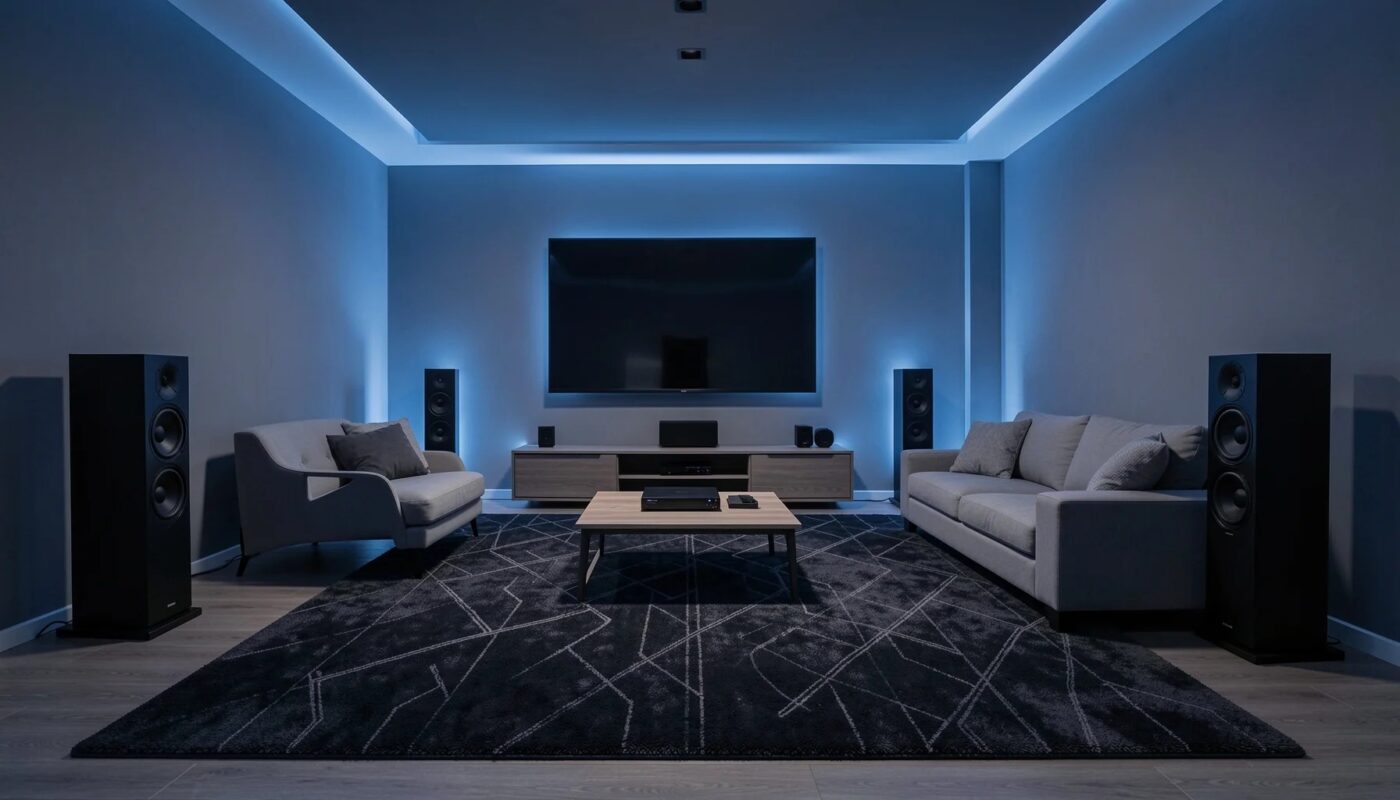
Unique movie theme rugs soundproofing is becoming a practical design conversation, not just a decor trend. The supplied market brief reports a 15% year-over-year rise in interest in thematic home interiors, while a rug measuring at least 0.5–0.75 inches in pile height with a dense pad may achieve an estimated NRC of 0.25–0.40. That matters now because many home theater owners invest heavily in speakers while leaving the reflective floor untreated.
Why Movie-Themed Rugs Are Moving From Decor to Acoustic Design
Movie-themed rugs are gaining attention because they combine visual identity with a basic acoustic function: absorbing some high-frequency reflections from hard floors. They will not fully soundproof a room, but a correctly sized, dense rug can reduce flutter echoes, soften footfall noise, and make dialogue feel clearer.

Unique Movie Theme Rugs Soundproofing: Do They Help? – Why Movie-Themed Rugs Are Moving From Decor to Acoustic Design
The latest trend is functional aesthetics
The current opportunity sits at the intersection of two consumer behaviors. First, DIY home cinema setups are becoming more accessible, allowing homeowners to build dedicated media rooms without commissioning a professional theater designer. Second, consumers increasingly want those rooms to feel personalized rather than technically sterile.
The supplied trend data indicates a 15% year-over-year increase in interest in thematic home decor, including movie-inspired interiors. This does not mean every buyer is searching for acoustic treatment. It does suggest that a movie-themed rug can solve two problems at once: it establishes a room’s identity and introduces a soft surface where sound would otherwise bounce from hardwood, tile, or concrete.
That dual purpose is central to Binteez.com’s functional-aesthetics perspective. A rug featuring cinematic motifs, ticket-strip graphics, film reels, stars, or a classic theater palette can act as a visible design anchor while quietly improving the room’s acoustic balance.
The strongest products therefore should not be evaluated only by their printed design. Buyers should also examine pile height, density, backing, pad compatibility, coverage area, and maintenance requirements.
Why hard floors create a weaker listening environment
Hard flooring reflects sound energy. In an untreated room, sound from a speaker reaches the listener directly while also bouncing from the floor, ceiling, and walls. Those delayed reflections can contribute to flutter echoes, excess brightness, and muddy dialogue.
A large area rug primarily targets high-frequency reflections. It does not absorb every frequency equally, and it cannot replace wall panels, ceiling treatment, or structural sound isolation. However, it can remove one of the most obvious reflective surfaces from the acoustic path.
The effect is particularly noticeable in rooms with:
- Hardwood or laminate flooring
- Ceramic tile or polished concrete
- Minimal furniture
- Large open floor areas between the screen and seating
- Tall ceilings and parallel hard walls
Architectural Digest has regularly highlighted the importance of acoustic design in home cinemas, while Sound & Vision has discussed how soft furnishings influence listening conditions. Together, these perspectives support a simple conclusion: the floor is part of the acoustic system, even when it is rarely treated as one.
Is a rug really soundproofing?
Strictly speaking, a rug is better described as a sound-dampening or sound-absorbing accessory, not a complete soundproofing system. True soundproofing attempts to limit sound transmission through walls, ceilings, floors, doors, and air gaps. A rug mainly changes what happens to sound inside the room.
That distinction matters for searchers asking, “Do area rugs help with soundproofing in home cinemas?” The accurate answer is yes, but only in a limited interior-acoustic sense. A rug can reduce reflected sound and some impact noise; it cannot stop bass from traveling through a shared wall.
The supplied benchmark estimates that integrating a movie-themed rug may reduce ambient noise levels by approximately 10–15% in a standard 15-by-20-foot media room. Treat this as a practical planning estimate rather than a universal laboratory result. Room volume, rug coverage, furniture, speaker placement, and wall construction will change the outcome.
How to Choose Unique Movie Theme Rugs for Soundproofing
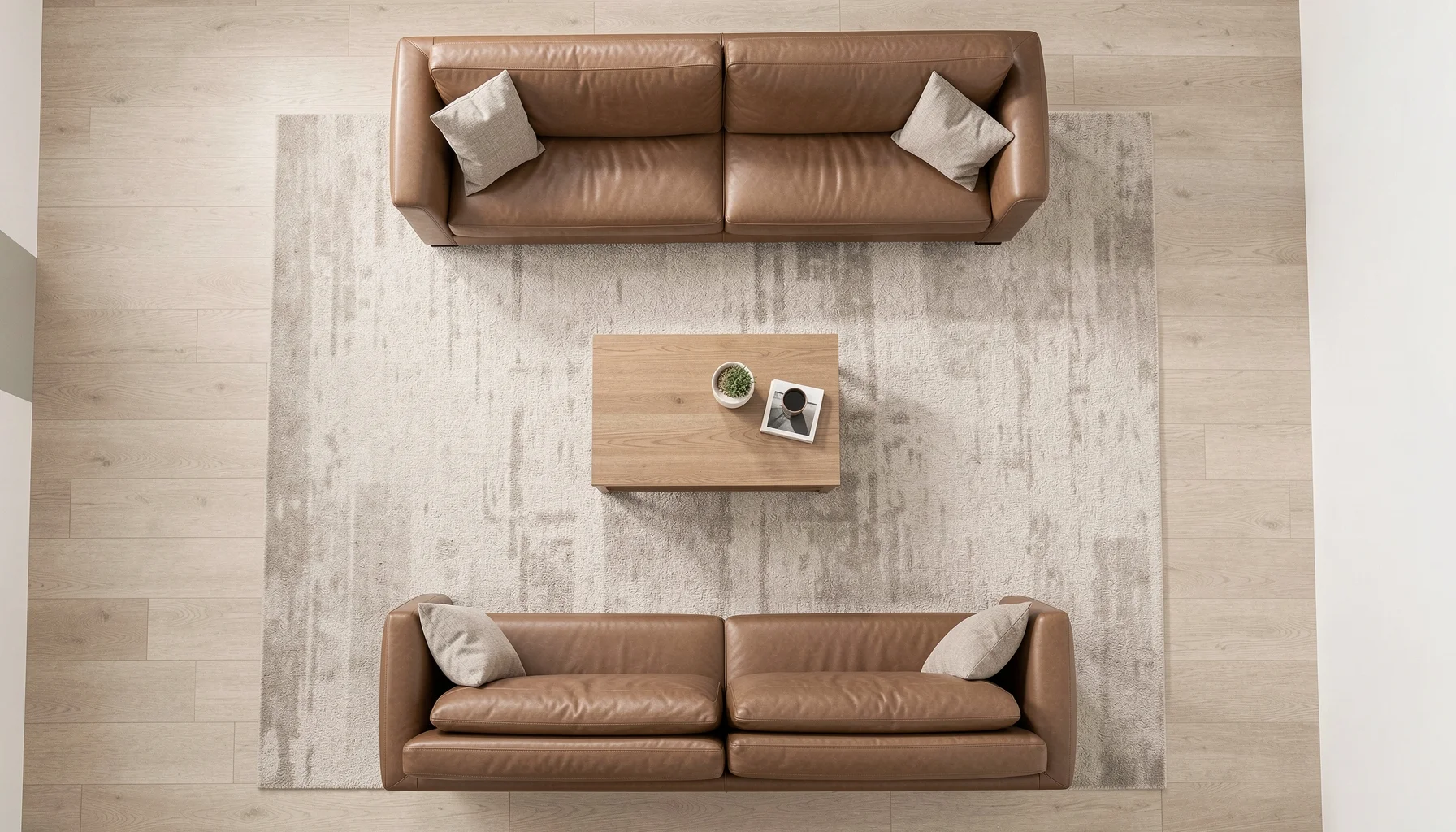
The best sound-absorbing rugs for home theater use combine adequate coverage with a sufficiently dense surface and stable underlay. The design should support the room’s cinematic theme, but acoustic performance depends more on construction than on the printed image.
Unique Movie Theme Rugs Soundproofing: Do They Help? – How to Choose Unique Movie Theme Rugs for Soundproofing
Prioritize pile height and density
For an acoustic floor treatment, a very thin decorative mat is usually less useful than a substantial area rug. Industry guidance in the supplied brief points to a pile height of at least 0.5 to 0.75 inches, particularly when paired with a high-density felt or rubber rug pad.
Pile height creates more material through which reflected high-frequency energy must travel. Density adds mass and stability, while the pad helps separate the rug from the hard floor and reduces movement underfoot.
When comparing products, look for:
- A pile height within or above the 0.5–0.75-inch benchmark
- Dense construction rather than a loose, lightweight weave
- A felt or rubber pad designed for the floor type
- A backing that lies flat and does not curl
- A size large enough to cover the principal reflection zone
A thick rug placed only beneath a small coffee table will have less acoustic impact than a properly positioned rug extending between the screen, speakers, and seating area.
Wool versus synthetic fibers
The Spruce has offered consumer guidance comparing wool and synthetic rug materials, and that distinction is relevant to movie room planning. Wool is often valued for its substantial feel, resilience, and naturally dense texture. Synthetic rugs can offer broader design flexibility and may be easier to match with bold movie-themed graphics.
Neither fiber automatically guarantees superior sound absorption. Construction, pile, density, backing, and pad selection are more important than the label alone.
| Rug characteristic | Acoustic relevance | Best use in a cinema room | Buyer guidance |
|---|---|---|---|
| 0.25-inch or thinner pile | Limited absorption | Decorative accent zones | Avoid as the only floor treatment |
| 0.5–0.75-inch pile | Moderate high-frequency absorption | Main seating and speaker area | Strong starting benchmark |
| Dense felt pad | Improves cushioning and stability | Hardwood, tile, laminate | Select a floor-compatible pad |
| Rubber rug pad | Adds grip and separation | High-traffic theater areas | Check ventilation and flooring compatibility |
| Large area coverage | Treats more reflection surface | 15-by-20-foot media rooms | Extend beyond the seating footprint |
| Wool construction | Substantial, durable surface | Premium cinema interiors | Compare maintenance and cost |
| Synthetic construction | Flexible graphics and color | Themed or franchise-style rooms | Inspect density and backing |
| Low-density novelty mat | Primarily visual | Entryways or small accents | Do not expect major acoustic gains |
Match rug size to the room’s acoustic path
The most common buying mistake is choosing a rug by theme first and dimensions second. A cinematic design may look compelling online, but if it covers only the center of the room while leaving the main speaker-to-listener path exposed, its practical benefit will be limited.
For a standard 15-by-20-foot media room, begin by mapping the area between the screen wall and the front edge of the seating. A rug should ideally cover the central floor zone where early reflections are most likely to occur. If budget allows, extending coverage under or beyond the seating can also improve comfort and reduce impact noise.
Use this planning sequence:
- Measure the room’s usable floor area.
- Mark the screen, front speakers, subwoofer, and seating.
- Identify the largest uninterrupted hard-floor sections.
- Select the largest practical rug that maintains door clearance.
- Add a dense felt or rubber pad.
- Reassess dialogue clarity and echo after installation.
For tailored shopping guidance, readers can compare room layouts and decor priorities through the relevant home theater rug ideas resources on Binteez.com.
What the Numbers Mean for Buyers, Designers, and Brands
The available figures suggest that movie-themed rugs occupy a useful middle ground: they are more functional than a purely decorative accessory, but less comprehensive than dedicated acoustic treatment. Understanding the metrics prevents exaggerated claims and helps every stakeholder make better decisions.
Interpreting NRC without overpromising
The Noise Reduction Coefficient, or NRC, is a material rating used to describe sound absorption. The supplied benchmark associates a rug with a 0.5–0.75-inch pile, combined with a high-density felt or rubber pad, with an estimated NRC range of 0.25–0.40.
That range indicates meaningful but partial absorption. It should not be interpreted as a percentage reduction in all room noise. NRC is most useful when comparing soft surfaces under similar test conditions; it does not capture every variable in a finished media room.
For consumers, the practical translation is straightforward:
- A higher-density rug is generally more useful than a thin printed mat.
- A pad can improve the overall floor assembly.
- Coverage is as important as material.
- A rug complements, rather than replaces, wall and ceiling treatment.
- Results will be strongest for reflected high frequencies and footfall-related noise.
For brands, this is also a trust issue. Product pages should explain what the rug can and cannot do. Calling a decorative rug “soundproof” without qualification risks misleading buyers who expect it to block bass or prevent sound transmission to adjacent rooms.
Comparing room conditions and likely outcomes
The following matrix applies the supplied benchmarks to common home theater scenarios. It is a planning tool, not a substitute for an acoustic test.
| Room condition | Rug and pad configuration | Expected acoustic role | Likely practical outcome |
|---|---|---|---|
| Bare tile or concrete | No rug | Strong floor reflections | More flutter echo and sharper high frequencies |
| Hardwood with small thin mat | Limited coverage, low pile | Minor absorption | Mostly decorative improvement |
| Hardwood with 0.5–0.75-inch rug | Dense rug, no substantial pad | Moderate soft-surface absorption | Reduced floor reflection in covered zone |
| Hardwood with 0.5–0.75-inch rug and felt pad | Dense construction and pad | Improved absorption and cushioning | Better control of high-frequency bounce |
| 15-by-20-foot room with broad rug coverage | Large rug across seating and speaker path | Wider floor treatment | Potential ambient-noise reduction of approximately 10–15% |
| Rug plus wall and ceiling treatment | Layered acoustic strategy | Multiple reflection points addressed | More balanced and controlled listening environment |
The key insight is that the rug’s value rises when it is part of a system. A homeowner spending thousands on speakers should not expect a single rug to transform the room, but should recognize that ignoring the floor leaves one major reflective plane untreated.
Who benefits—and who should be cautious?
Homeowners with hard floors are the clearest beneficiaries. A properly selected rug can improve comfort, visual cohesion, and perceived listening quality without requiring construction work. Families may also appreciate its ability to soften footsteps and reduce everyday room noise.
Interior designers benefit from a broader palette of functional products. Instead of hiding acoustic panels or compromising the room’s theme, they can use movie-themed rugs as visible design features.
Audiophiles should be more cautious about the limits. A rug will not correct deep bass modes, eliminate sound leakage, or replace calibrated speaker placement. “Bass trap” is best understood here as a broad descriptive term for a dampening element, not proof that the rug performs like a dedicated low-frequency absorber.
Retailers and manufacturers should emphasize measurable construction details rather than relying entirely on franchise imagery or novelty appeal. The winning product category will connect cinema-room decor with honest acoustic guidance.
How to Soundproof a Media Room With Area Rugs
A rug should be installed as the first layer of a broader acoustic plan. The most effective approach is to control floor reflections, then address the remaining walls, ceiling, speaker placement, and sound transmission paths.
A practical installation workflow
Searchers asking how to soundproof a media room with area rugs can follow this structured process:
Step 1: Identify the hard surfaces.
List the floor materials, wall finishes, glass surfaces, and ceiling height. A room with carpet, upholstered furniture, and curtains already has more absorption than a minimalist room with tile and bare walls.
Step 2: Define the listening zone.
Mark the primary seats and the front speaker area. The rug should cover the main path where floor reflections reach listeners.
Step 3: Select adequate construction.
Use the supplied 0.5–0.75-inch pile benchmark as a starting point. Pair the rug with a dense felt or rubber pad appropriate for the floor.
Step 4: Install safely.
Confirm that the pad does not stain, trap moisture, or react with the flooring. Keep exits, vents, and doors unobstructed.
Step 5: Listen before and after.
Use familiar dialogue-heavy scenes and music. Listen for changes in vocal clarity, sharpness, echo, and footfall noise.
Step 6: Layer additional treatment if needed.
If the room still sounds bright or boomy, address walls, corners, ceiling reflections, and speaker calibration rather than simply buying a second decorative rug.
Why placement often matters more than pattern
A unique movie theme can create an emotional connection to the room, but the rug’s location determines its functional contribution. Placing it beneath the primary seating and between the screen and listeners usually has greater acoustic value than positioning it at the room’s edge.
A central rug can also visually organize the theater. It gives the seating area a defined footprint and can make a large open room feel intentional. This is especially valuable in multipurpose media rooms where the screen, seating, gaming equipment, and decor must coexist.
Avoid placing a thick rug where it interferes with recliner mechanisms, door swings, floor vents, or cable pathways. If a subwoofer sits directly on a soft surface, confirm that the enclosure remains stable and that ventilation is not restricted.
Binteez.com’s approach is to treat the rug as both a visual anchor and a measurable design choice. The best movie-themed rug decor supports the room’s identity without sacrificing safe, practical placement.
What to do when the room still sounds muddy
A rug can reduce high-frequency reflection while leaving low-frequency problems unchanged. If the result sounds muddy, the issue may involve speaker placement, room modes, excessive absorption in one area, or bass accumulation near walls and corners.
Use a staged response:
- Recheck speaker distance from walls.
- Confirm that the listening position is not centered in a strong bass null.
- Add balanced soft furnishings rather than covering every surface.
- Consider wall or ceiling treatment for remaining reflections.
- Adjust subwoofer placement and calibration.
- Avoid claiming that more rug thickness alone will solve bass problems.
This disciplined approach protects the homeowner from unnecessary spending. The rug is a high-value first step for hard floors, but not a universal acoustic cure.
The 2026 Outlook for Movie-Themed Acoustic Decor
By 2026, the strongest growth opportunity is likely to come from products that make technical benefits easy to understand. Consumers want immersive rooms, but they also want purchases that justify their cost through comfort, design, and measurable performance.
The likely winners in the next product cycle
The category’s winners will connect three elements:
- Recognizable cinematic design
- Credible material specifications
- Clear room-planning guidance
A product described only as a movie-themed rug competes on appearance. A product described as a dense, 0.5–0.75-inch-pile area rug with compatible felt or rubber padding competes on value as well as appearance.
The supplied 15% annual increase in thematic-home-decor interest suggests that demand is moving toward personalization. Yet the same audience is increasingly capable of comparing specifications, reading reviews, and questioning unsupported “soundproofing” claims.
That creates an opening for Binteez.com to publish useful buying guides, room-planning comparisons, and transparent explanations of acoustic limits. The strongest editorial strategy is not to promise silence. It is to explain how a visually distinctive rug contributes to a quieter, clearer, more cohesive cinema room.
A buy, hold, or upgrade decision framework
Buy now if the room has a large untreated hard floor, the current rug is thin, and the homeowner wants both cinematic styling and better floor absorption. Prioritize size, density, and pad compatibility over novelty graphics.
Hold and assess if the room already has broad carpeting, substantial upholstered furniture, and acoustic wall treatment. A new rug may provide visual value, but the acoustic improvement could be modest.
Upgrade strategically if the existing rug is too small, curls at the edges, slides, or leaves the primary speaker-to-listener path uncovered. Increasing coverage may deliver more benefit than replacing a sound, dense rug with a different design.
Avoid overinvesting in a rug marketed as complete soundproofing. For sound leakage, address construction, doors, walls, and ceilings. For interior clarity, use a layered treatment strategy.
The strategic takeaway for consumers and retailers
The phrase “unique movie theme rugs soundproofing” captures a growing search intent: buyers want a product that looks personal but performs a practical job. They are not necessarily seeking a professional recording studio. They want clearer dialogue, fewer distracting echoes, softer footsteps, and a room that feels like a real cinema.
That makes the product category commercially promising, provided claims remain precise. The rug is a soft-surface absorber, not a wall barrier. With the right pile, density, pad, and coverage, it can contribute to a more controlled listening environment and may support a more controlled listening environment and may support a more immersive movie experience.
The strongest proposition is therefore not “this rug will soundproof your room.” It is:
A well-chosen movie-themed rug can reduce reflected sound at floor level, soften footfall noise, improve comfort, and complete the visual identity of a home cinema.
That distinction protects consumers from unrealistic expectations while giving retailers a credible way to explain the product’s value.
How to choose a movie-themed rug for acoustic performance
Aesthetics may attract the buyer, but construction determines how effectively the rug contributes to room comfort and sound control. Several specifications deserve attention before purchase.
1. Select a sufficiently dense surface
A dense, textured, or medium-to-high-pile rug generally offers more sound-absorbing surface than a thin, smooth mat. More fibers create more opportunities for sound energy to lose intensity as it interacts with the material.
However, maximum thickness is not always the best choice. An extremely deep pile can make furniture unstable, create trip risks, and become difficult to vacuum. For most home cinemas, a dense low-to-medium pile is a practical compromise between acoustic contribution, maintenance, and usability.
2. Use a quality underlay
The underlay is one of the most important parts of the installation. It can:
- Add cushioning beneath the rug
- Reduce movement and sliding
- Improve comfort underfoot
- Limit some impact transmission into the floor
- Help the rug lie flat
- Extend the life of the backing
A rug placed directly on a hard floor may still soften high-frequency reflections, but it will not provide the same comfort or impact reduction as a rug paired with a suitable pad.
Choose an underlay that matches the flooring type and the rug manufacturer’s recommendations. A pad that is too soft can cause furniture to rock, while one that is too thin may provide little practical benefit.
3. Consider the room’s coverage
One small rug under a coffee table cannot be expected to control the acoustics of an entire cinema room. Coverage matters because the rug only affects the area it occupies.
For a seating area, a large rug that extends beneath the front legs of sofas or recliners can create a more unified appearance and provide broader floor coverage. In a dedicated theater, wall-to-wall carpet or several carefully positioned rugs may be more effective than one decorative accent piece.
The ideal layout depends on:
- Room dimensions
- Seating arrangement
- Floor material
- Speaker placement
- Walkways
- Door clearance
- Whether the room is also used for gaming, reading, or entertaining
4. Check the backing and edge construction
A rug may have an attractive printed surface but still perform poorly in daily use if its backing curls, sheds, or slides. Look for:
- Securely finished edges
- A backing compatible with the floor
- Low-odor materials
- A flat-lay design
- Resistance to curling
- A non-slip pad or compatible grip layer
Do not place a latex-backed or rubber-backed rug on a surface unless the flooring manufacturer confirms that it is safe. Some backings can discolor, trap moisture, or react with finished wood and certain resilient floors.
5. Match the design to the viewing environment
Movie-themed designs can be bold, but excessive visual contrast may become distracting in a dark room. Reflective threads, glossy printed sections, or very bright colors can catch light from the projector or screen.
A cinema rug should support the room’s atmosphere rather than compete with the display. Consider:
- Whether the design will be visible during viewing
- How it looks under dim lighting
- Whether it complements the screen wall
- Whether the pattern remains attractive when furniture covers part of it
- Whether the theme will still appeal to the household after several years
A restrained film-reel pattern, clapperboard motif, star field, or vintage theater design may offer more long-term flexibility than a highly specific character or title.
Movie-themed rugs versus other acoustic treatments
A themed rug is only one component of a well-designed home cinema. The following comparison helps clarify what each treatment can and cannot do.
| Treatment | Primary role | Best location | Main acoustic benefit | Key limitation |
|---|---|---|---|---|
| Movie-themed rug | Floor absorption and comfort | Beneath seating or across the room | Softens floor reflections and some footfall noise | Does not block sound from leaving the room |
| Rug pad | Cushioning and impact reduction | Under the rug | Improves stability and may reduce impact transfer | Adds little visual character by itself |
| Fabric wall panels | Reflection control | Side walls and rear wall | Absorb mid- and high-frequency reflections | Require careful placement and installation |
| Heavy curtains | Absorption and isolation support | Windows and glass doors | Reduce reflections from hard glazed surfaces | Do not replace structural sound isolation |
| Bass traps | Low-frequency control | Corners | Help manage bass buildup and modal problems | Need sufficient size and correct placement |
| Acoustic ceiling treatment | Overhead reflection control | Ceiling | Reduces vertical reflections | May be difficult to install in finished rooms |
| Wall construction upgrades | Sound isolation | Shared walls, ceilings, and floors | Reduces sound transmission between spaces | Expensive and disruptive |
| Bookshelves or irregular décor | Diffusion and scattering | Rear or side walls | Breaks up some reflections | Acoustic results are less predictable |
This table illustrates why a rug should be described as part of a system. It can improve the room’s feel and contribute to acoustic balance, but it cannot perform the job of a decoupled wall, insulated ceiling, or properly designed bass trap.
Recommended rug specifications by use case
Different rooms call for different priorities. A rug for a small apartment living room should not necessarily have the same specifications as one for a dedicated theater.
| Use case | Useful rug characteristics | Additional priority |
|---|---|---|
| Small living-room cinema | Medium pile, easy cleaning, moderate size | Avoid blocking doors and furniture movement |
| Dedicated home theater | Broad coverage, dense construction, compatible underlay | Coordinate with wall and ceiling treatments |
| Apartment viewing room | Stable backing, moderate thickness, low movement | Reduce footfall and furniture noise without major renovation |
| Family media room | Stain resistance, durable fibers, secure edges | Choose a pattern that hides everyday marks |
| Gaming and movie room | Comfortable pile, strong edge binding, resilient surface | Leave clear space for chairs and equipment |
| Luxury theater | Dense custom construction, tailored dimensions, premium finish | Match the rug to lighting, seating, and architectural details |
| Temporary rental setup | Lightweight construction, removable pad, easy storage | Avoid permanent adhesives or floor modifications |
Practical placement ideas
Placement affects both performance and safety. A rug should be positioned deliberately rather than simply centered in the room.
Under the seating zone
A large rug beneath the seating area creates a clear visual anchor. It can help define the cinema zone in a multipurpose room and place soft material near the locations where people walk, sit, and move furniture.
The front edge should not interfere with recliner mechanisms, footrests, or cable paths. If recliners are used, test their full range of motion before finalizing the position.
Between the screen and seating
A rug placed in the open area between the screen and the first seating row can soften reflections from the floor. It may also make the room feel more finished, especially when the screen wall and seating are separated by a large expanse of hard flooring.
Keep the rug far enough from equipment stands, speaker cables, and ventilation paths to prevent safety problems.
Across a hard-floor room
In a room with tile, polished concrete, laminate, or hardwood, broader coverage can make a noticeable difference in comfort and general reverberation. Several coordinated rugs may be more practical than one very large custom rug, particularly when access to doors or storage areas must remain clear.
Beneath a coffee table
A smaller rug beneath a coffee table can improve visual cohesion, but it should not be mistaken for full-room acoustic treatment. It is best viewed as a decorative and comfort-focused solution with a limited acoustic contribution.
Care and maintenance
A rug cannot deliver consistent performance if it becomes flattened, damp, or damaged. Regular maintenance also protects the printed design and helps preserve indoor air quality.
Vacuum according to the fiber type
Use a vacuum setting appropriate for the rug’s pile and construction. Aggressive brush rollers may pull fibers, damage printed surfaces, or loosen decorative edges. High-pile rugs often benefit from a suction-only setting or a tool designed for delicate textiles.
Address spills quickly
Blot spills instead of rubbing them into the pile. Use a cleaning product approved for the specific fiber, backing, and dye system. Test any treatment in an inconspicuous area first.
Keep moisture under control
Moisture trapped between a rug and the floor can cause odors, mildew, staining, or floor damage. Lift the rug periodically in humid environments and allow both the rug and floor to dry fully after cleaning.
Rotate when practical
Rotating the rug can distribute traffic and sunlight exposure more evenly. This is particularly useful when one side receives direct daylight or when the seating arrangement places most foot traffic along a single path.
Inspect the edges
Loose binding, curling corners, and lifted seams create trip hazards. Repair or replace damaged rugs rather than relying on temporary fixes in a dark viewing room.
Common mistakes to avoid
Treating a decorative rug as a soundproofing solution
A rug can absorb some reflected sound and reduce impact noise, but it does not create a sealed acoustic barrier. Sound may still travel through doors, walls, ceilings, ventilation openings, and structural connections.
Choosing appearance without measuring
A rug that is too small may look disconnected from the seating arrangement. One that is too large may block a door, cover a floor vent, or interfere with recliners. Measure the area first and account for furniture movement.
Ignoring the underlay
A high-quality rug placed on a slippery or unsuitable floor can move, bunch, and create hazards. The correct pad often contributes as much to everyday satisfaction as the rug itself.
Using adhesives without checking compatibility
Double-sided tape, glue, and permanent adhesives may damage flooring or leave residue. They can also complicate future removal. Follow the flooring and rug manufacturers’ instructions.
Over-treating only the floor
If the room still sounds harsh after adding a rug, the problem may come from parallel walls, glass, the ceiling, or low-frequency buildup. Add treatments where reflections and transmission problems actually occur.
Making unsupported performance claims
Retail listings should avoid guaranteed statements such as “blocks all sound,” “completely soundproof,” or “eliminates echo.” More accurate wording explains the likely contribution without promising laboratory results that have not been measured.
How retailers can describe the product accurately
Clear product language helps set realistic expectations and can improve buyer confidence. A responsible listing might state that the rug:
- Adds a soft, decorative surface to a home cinema
- Helps reduce floor reflections compared with a bare hard floor
- May soften footfall and furniture movement
- Works best with suitable underlay and complementary acoustic treatments
- Is intended for acoustic comfort, not structural sound isolation
Performance claims should be supported by testing whenever specific ratings are advertised. If no standardized acoustic data is available, use qualitative language and explain the construction instead.
Useful product details include:
- Fiber material
- Pile height
- Overall thickness
- Weight or density
- Backing material
- Edge finish
- Recommended pad
- Cleaning instructions
- Fire or safety certifications, where applicable
- Suitable floor types
- Available dimensions
- Customization options
A simple buying checklist
Before ordering a unique movie-themed rug, confirm the following:
- The room has been measured accurately.
- The planned size will not obstruct doors, vents, or recliner mechanisms.
- The design is suitable for the room’s lighting.
- The rug has a stable and floor-compatible backing.
- A suitable underlay is available.
- The pile and fiber meet the household’s cleaning needs.
- The design will remain appealing if furniture covers part of it.
- The product description distinguishes sound absorption from soundproofing.
- Any claimed acoustic rating is supported by credible testing.
- The return policy covers size, color, and print expectations.
- The rug can be safely installed without damaging the floor.
Final perspective
Unique movie-themed rugs are most valuable when their decorative and practical roles are considered together. They can give a home cinema a recognizable identity, define the seating area, improve underfoot comfort, soften some floor reflections, and contribute to a calmer listening environment.
Their limits are equally important. A rug alone will not isolate a theater from neighboring rooms, correct serious bass problems, or replace a complete acoustic design. The best results come from combining suitable floor coverage and underlay with thoughtful speaker placement, wall treatment, window coverings, door sealing, and—where necessary—structural sound-isolation work.
For consumers, the goal is a rug that looks right, fits safely, and offers a reasonable acoustic benefit. For retailers, the opportunity lies in presenting that benefit honestly. The most credible product is not the one making the loudest soundproofing promise; it is the one that clearly explains how design, materials, placement, and room context work together.
Frequently asked questions
Do movie-themed rugs really soundproof a room?
No. A rug does not provide full soundproofing because it cannot stop sound from passing through walls, doors, ceilings, windows, or ventilation openings. It can absorb some reflected sound at floor level and may reduce certain footfall or furniture noises when used with a suitable underlay.
What is the difference between soundproofing and sound absorption?
Soundproofing aims to reduce sound transmission between spaces. Sound absorption reduces reflections within a room. A rug primarily contributes to absorption and comfort; it is not a structural soundproofing barrier.
Can a rug reduce echo in a home theater?
It can reduce some echo, particularly when placed on a hard floor in a room with many reflective surfaces. The improvement may be limited if the walls, ceiling, windows, and furnishings remain highly reflective.
Is a thick rug better for home theater acoustics?
Not automatically. A dense, well-constructed medium- or high-pile rug may absorb more sound than a thin mat, but excessive thickness can create maintenance, stability, and furniture-clearance problems. The best choice balances acoustic contribution, safety, comfort, and practical use.
Does a rug pad improve sound performance?
A rug pad primarily improves stability and cushioning, but it may also reduce some impact noise and vibration transferred through the floor. Its effect depends on the pad’s material, thickness, density, and compatibility with the flooring.
Should the rug cover the entire theater floor?
Full coverage can provide more consistent floor treatment, but it is not always necessary. A large rug beneath and around the seating area may be sufficient for a small or multipurpose room. A dedicated theater with a large hard floor may benefit from broader coverage.
Where should a movie-themed rug be placed?
Common locations include beneath the seating area, between the screen and the first seating row, or across a central hard-floor section. The placement should not obstruct doors, floor vents, cables, speaker stands, or recliner mechanisms.
Can a rug reduce bass or subwoofer vibrations?
A rug may slightly reduce minor contact noise and vibration at the floor interface, especially with a resilient pad. It will not solve room modes, standing waves, or strong subwoofer transmission. Those problems usually require speaker repositioning, bass management, acoustic treatment, or structural isolation.
Will a rug improve dialogue clarity?
It may contribute indirectly by reducing some high-frequency reflections and general reverberation. However, dialogue clarity also depends on speaker quality, center-channel placement, calibration, room layout, seating position, and background noise.
Are movie-themed rugs suitable for carpeted floors?
They can be, especially as decorative accent pieces or area rugs. On existing carpet, choose a design and backing that will not create excessive movement or a noticeable ridge. A non-slip layer may still be useful, but it must be compatible with both carpet and the rug.
Are rubber-backed rugs safe for hardwood floors?
Not always. Some rubber or latex backings can react with finishes, trap moisture, or cause discoloration. Confirm compatibility with the flooring manufacturer and use a protective pad when recommended.
What rug size works best under theater seating?
The correct size depends on the seating layout and room dimensions. Ideally, the rug should visually connect the seating area and provide enough coverage for the main walking paths without interfering with recliners, doors, or equipment.
Can a small rug make a noticeable acoustic difference?
A small rug can soften reflections in the area it covers, but its effect on the room as a whole will usually be limited. It can still provide useful comfort and visual definition, particularly in a small listening area.
Are low-pile rugs effective for home cinemas?
Yes. Low-pile rugs can absorb some floor reflections while offering easier cleaning, better chair movement, and lower trip risk. A dense low-pile construction with a quality pad may be a practical choice for many rooms.
Are high-pile rugs appropriate beneath recliners?
They may be, but the pile should not interfere with footrests, casters, or mechanical movement. Test the seating before final installation and check the manufacturer’s clearance recommendations.
How do I clean a printed movie-themed rug?
Follow the care label and use cleaning products approved for its fiber and backing. Blot spills promptly, avoid excessive moisture, and test stain treatments in a hidden area before applying them to the visible design.
Will sunlight fade the design?
Direct sunlight can fade many dyes and printed surfaces over time. Use curtains or blinds where possible, rotate the rug if practical, and select a product with appropriate colorfastness information.
Are custom movie-themed rugs worth the cost?
A custom rug may be worthwhile when standard dimensions or designs do not suit the room. It can provide a better fit and a more distinctive appearance, but buyers should verify print quality, material specifications, cleaning requirements, lead time, and return conditions before ordering.
Can a rug help in an apartment home cinema?
Yes. It may soften footfall, improve comfort, and reduce some floor reflections without permanent construction. It will not prevent all sound from reaching neighbors, so expectations should remain focused on interior comfort rather than complete isolation.
What other treatments should be used with a movie-themed rug?
Depending on the room, useful additions may include fabric wall panels, heavy curtains, door seals, bass traps, ceiling treatment, bookshelves, and improved speaker calibration. The appropriate combination depends on whether the main issue is echo, bass buildup, impact noise, or sound transmission.
How should a retailer describe the acoustic benefits?
A retailer should explain that the rug may absorb some reflected sound and soften certain footfall noises, particularly when paired with an underlay. It should not be advertised as a guaranteed soundproofing barrier unless independently tested data supports that claim.
What is the most important feature to check before buying?
Start with fit and construction. Confirm the dimensions, backing, edge stability, pile height, floor compatibility, and underlay requirements before focusing on the printed theme. A visually attractive rug that moves, curls, or blocks equipment will not perform well in a home cinema.
Is a movie-themed rug mainly decorative or functional?
It can be both. Its decorative purpose creates the cinema atmosphere, while its soft surface can contribute to comfort and modest acoustic absorption. The exact balance depends on the rug’s materials, coverage, placement, and the rest of the room’s design.
