
News
Fandom Hawaiian Shirts Summer Trends: 2026 Style
Oct
Fandom Hawaiian shirts are emerging as a distinctive alternative to jerseys: relaxed, expressive and easy to wear beyond match day. Reports supplied for this analysis connect the look to “Dad Chic,” personalized football-fan style and vintage-inspired World Cup fashion. Those reports are dated April–October 2026, however, so they cannot be treated as verified breaking news as of March 2025.
Why fandom Hawaiian shirts fit the summer style shift
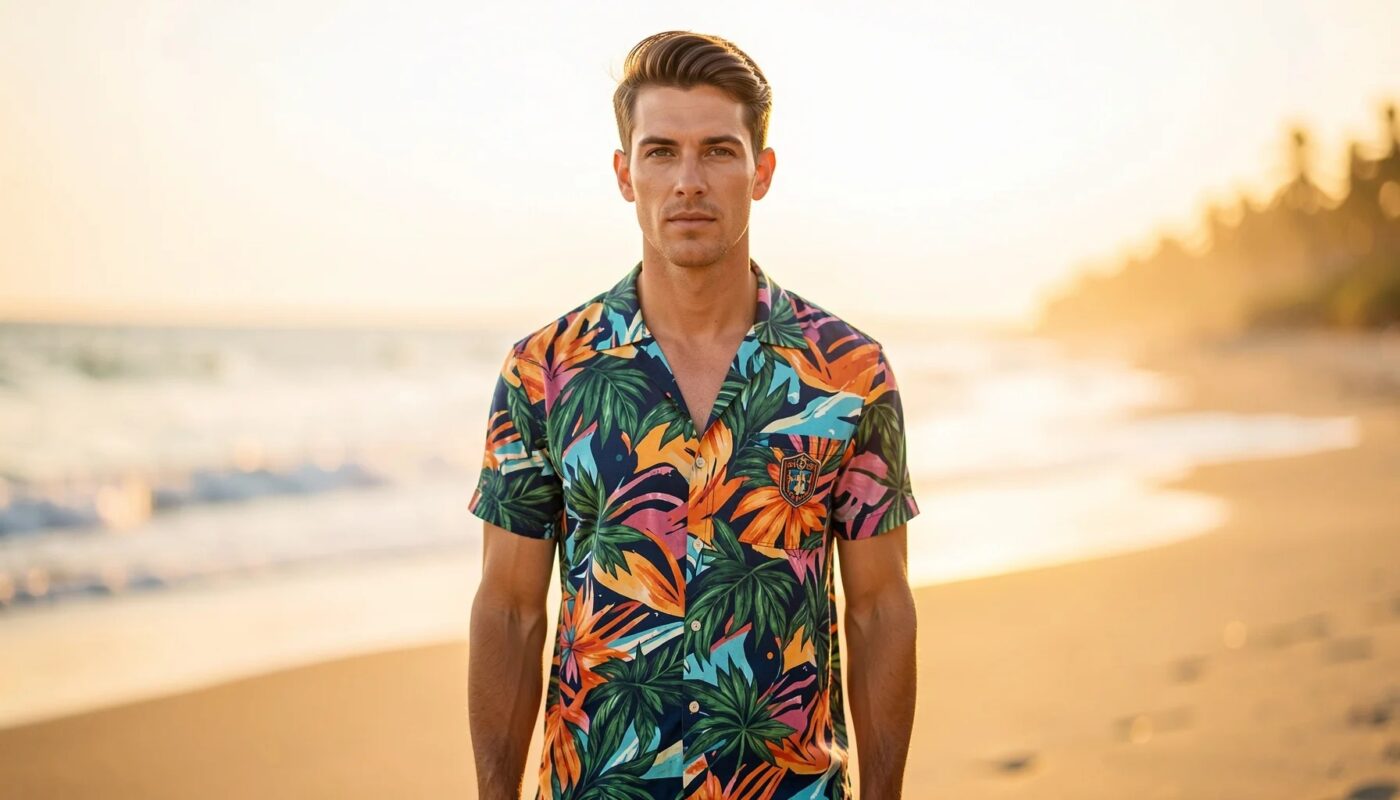
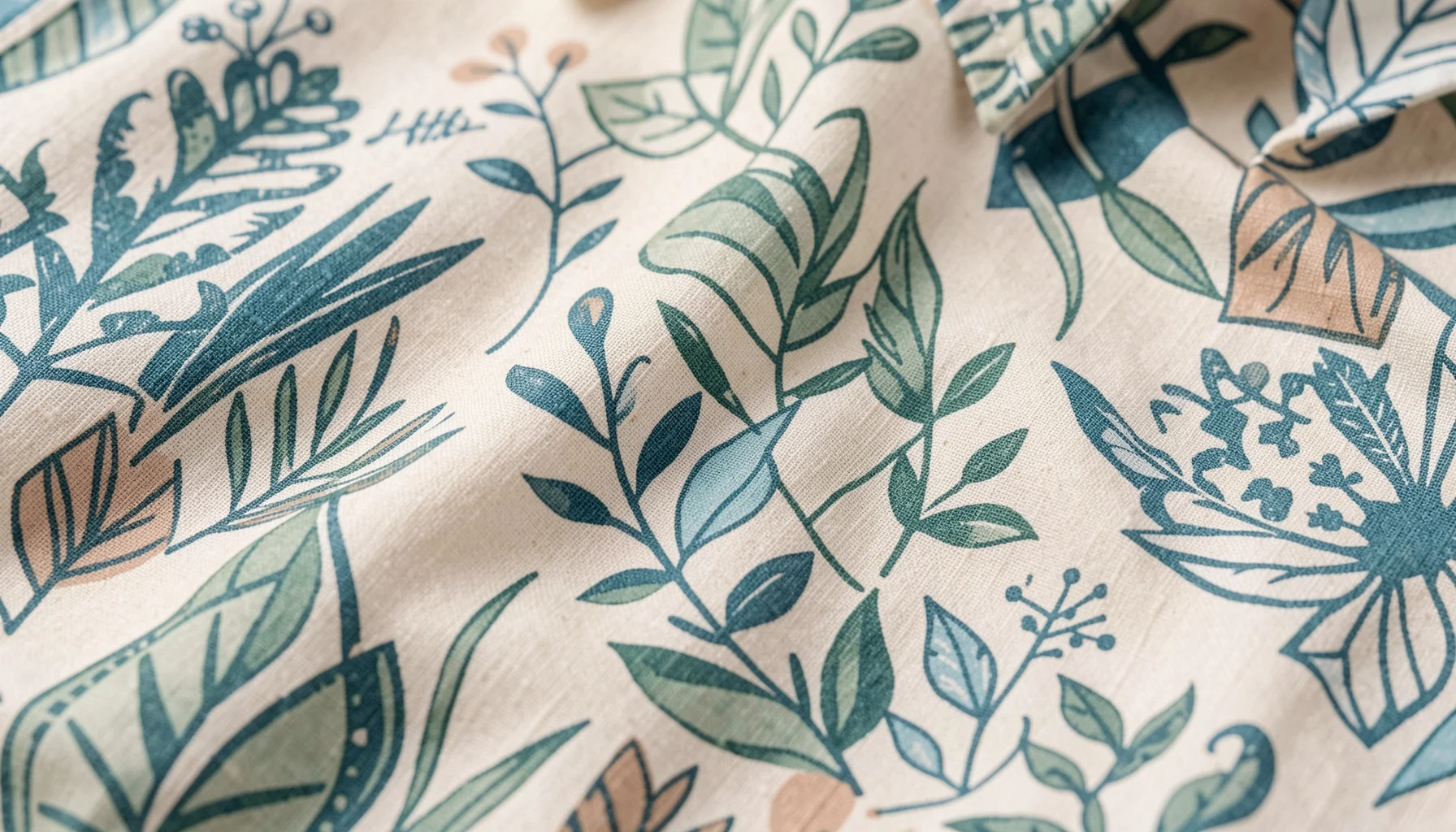
Fandom Hawaiian shirts combine recognizable fan references with the comfort and visual personality of a relaxed summer shirt. The appeal is not simply that they look different from jerseys; it is that they can signal allegiance while still working at festivals, watch parties and everyday events.
Fandom Hawaiian Shirts Summer Trends: 2026 Style – Why fandom Hawaiian shirts fit the summer style shift
From team uniform to personal expression
A jersey communicates support directly. A Hawaiian-style shirt can do that more indirectly, using colors, motifs, references or custom details that fellow fans recognize. That distinction matters for people who want to show loyalty without wearing conventional match-day kit from morning to night.
The cultural shift described in the supplied source notes is toward fandom as personal style. The Guardian’s June 2, 2026 article about Arsenal fans at a victory parade is cited as an example of supporters expressing themselves through individual outfits while backing the same team. That is a useful illustration of the idea, but its publication date is in the future relative to March 2025 and should not be presented as a confirmed current event.
For shoppers, the practical takeaway is straightforward: choose a design that says something about your connection to a team, artist or community, rather than relying only on a large logo. A subtle palette, a meaningful reference or a custom print can make the shirt feel more personal and more wearable.
Why the Hawaiian-shirt format works
The format offers a relaxed silhouette and a bold surface for visual storytelling. Depending on its cut and fabric, a short-sleeved button-up can be worn open over a plain T-shirt, buttoned with shorts, or paired with simple trousers. Those options make it adaptable in ways that a match jersey may not be.
It also makes room for more than one kind of fandom. A design might take cues from a team’s colors, a city, a music scene or a shared in-joke. The result can be fan gear that feels like clothing first and a collectible or conversation piece second.
That versatility should not be confused with a guarantee of quality. Before buying, check the product’s fabric details, size chart, care instructions, print description and seller policies. A striking design is only a good purchase if the shirt is comfortable and appropriate for the settings where you expect to wear it.
The “Dad Chic” connection—and what the evidence supports
The supplied trend brief links “Dad Chic” with practical, nostalgic summer dressing and cites an ALDI UK press-office release dated April 30, 2026. The reported combination of utility and classic styling provides a plausible context for the Hawaiian shirt’s appeal, but the date is also future-dated relative to March 2025. It cannot substantiate a present-day surge.
The useful style insight does not depend on treating that claim as verified news. Relaxed shirts, familiar patterns and easy-to-coordinate pieces have a natural place in warm-weather wardrobes. Fans can borrow that understated, comfortable approach without relying on a trend forecast: let the shirt carry the statement and keep the rest of the outfit simple.
For brands and shoppers alike, this is a distinction worth keeping clear. Trend language can help explain why a product feels timely, but it should not be mistaken for measured market evidence. The stronger decision is to assess fit, materials, design and actual use.
What the supplied news signals do—and do not—tell us
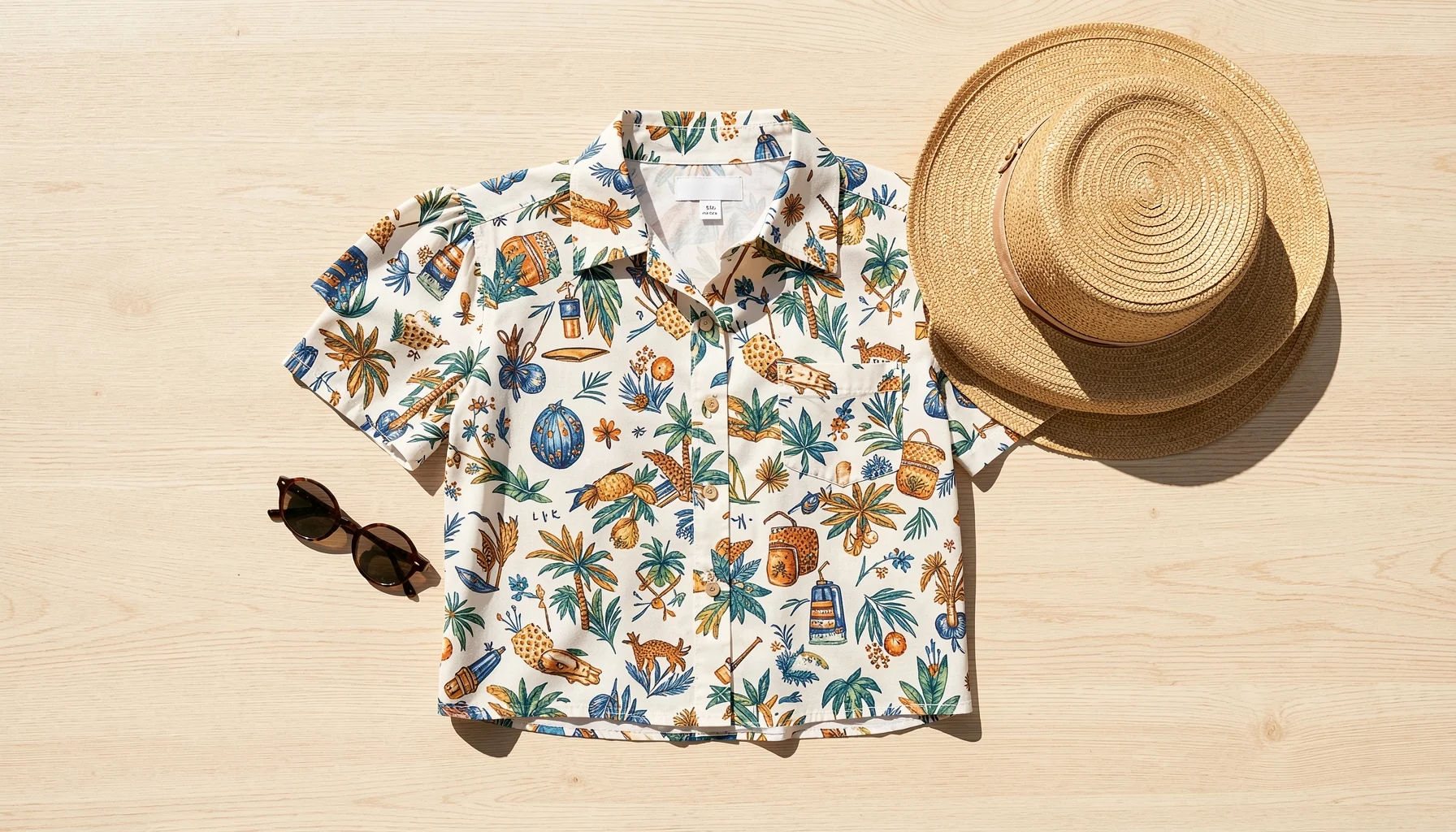
The source list points toward a broader overlap between fandom, fashion and everyday clothing. It does not provide sales totals, search-growth figures or pricing data, so it cannot establish how large the trend is or prove that Hawaiian shirts are “taking over.”
Fandom Hawaiian Shirts Summer Trends: 2026 Style – What the supplied news signals do—and do not—tell us
Reading the source timeline carefully
The supplied references span different dates and types of coverage. The Guardian item is dated June 2, 2026; the ALDI UK release is dated April 30, 2026; and the stupidDOPE article about Levi’s and vintage football style is dated May 30, 2026. Yahoo News is listed as October 4, 2026. All four dates fall after March 2025, so none can be described as verified reporting already available at the time of this article.
The source notes also cite NBC26’s July 3, 2023 article about “dad fashion” at Summerfest. That is historical context, not a current 24-hour benchmark. It can help frame a recurring festival-style conversation, but it cannot show how consumers are buying or dressing now.
This careful chronology matters for readers, publishers and retailers. A dated article can be relevant to a trend analysis without being real-time evidence. In this case, the supplied material is best treated as a set of trend hypotheses to evaluate, not a verified record of breaking developments.
The football-fashion crossover
The supplied brief describes a shift from performance apparel toward lifestyle pieces with football references, citing the future-dated stupidDOPE article about Levi’s and FIFA World Cup 2026. The concept is credible as a styling direction: vintage sports cues can appear on casual clothing without reproducing a playing kit.
That distinction creates room for fan gear beyond jerseys. A shirt can reference a club through colors, typography or a city connection while remaining visually distinct from official uniforms. Shoppers who want this look should check whether an item is officially licensed, independently designed or simply inspired by a general sports aesthetic. Those categories carry different expectations around rights, authenticity and product details.
For sellers, the opportunity is to create clear, original designs rather than implying a team endorsement that does not exist. For buyers, the opportunity is choice: a more subtle or playful expression of support, provided the product description accurately explains what is being sold.
A source and evidence comparison
The table separates the supplied claims from what can responsibly be concluded. No sales, search-volume, price-change or participation figures were provided, so none should be inferred.
| Source or reference | Date supplied | Topic in the brief | What it can support here | Evidence limitation |
|---|---|---|---|---|
| ALDI UK Press Office | April 30, 2026 | “Dad Chic” and practical, classic fashion | A stated trend angle in the supplied brief | Future-dated relative to March 2025; no market percentages supplied |
| The Guardian | June 2, 2026 | Arsenal fans’ parade outfits and individual style | An example of the proposed fandom-and-fashion theme | Future-dated; cannot be reported as current verified news |
| stupidDOPE | May 30, 2026 | Levi’s, vintage football style and World Cup 2026 | A proposed sportswear-to-lifestyle connection | Future-dated; no collection or sales metrics supplied |
| Yahoo News | October 4, 2026 | Fashion as a means of identity and storytelling | A consumer-identity framing in the brief | Future-dated; no survey sample or percentage supplied |
| NBC26 | July 3, 2023 | Dad-style outfits at Summerfest | Historical festival-style context | Not a current benchmark; no 2026 trend measurement supplied |
How to choose and style fan gear for summer events
The best summer fan shirt is one that suits the event, feels comfortable in warm weather and communicates the kind of fandom you want to show. Start with the occasion and your preferred level of visibility, then assess fit, construction and design before purchasing.
How should you style fandom apparel for summer events?
Use the shirt as the focal point and keep other pieces uncomplicated. For a festival or outdoor watch party, try it open over a plain, breathable T-shirt with shorts and comfortable shoes. For a parade or casual gathering, wear it buttoned with neutral trousers or simple shorts, allowing the print to stand out without competing accessories.
Consider the setting before choosing a design. A bright, all-over pattern can work well for a lively outdoor event, while a restrained color palette may suit a pub, a casual workplace or a family gathering better. If the shirt is a conversation starter, a small fan reference can be more effective than an oversized graphic.
Practical details matter at long events. Check the weather, consider whether you will be standing or walking for extended periods, and choose shoes and layers accordingly. Do not assume a particular fabric is breathable based on the product’s look: consult its stated material and care information.
A four-step buying checklist
- Choose the event. Decide whether the shirt is for a match, festival, parade, watch party or everyday wear. The setting helps determine how bold and formal the design should be.
- Set your expression level. Pick between obvious team colors, a subtle reference, a custom design or a more general vintage-sports look. A shirt should feel like your style, not a costume you will wear once.
- Check the product details. Review measurements, fabric composition, care instructions, print placement and return terms. Compare the garment measurements with a shirt you already own rather than relying on size labels alone.
- Confirm the design’s status. Look for clear wording about licensing and affiliation. If a product is independently designed or merely inspired by a team, its listing should not imply official approval.
This process is especially useful when shopping for custom fandom Hawaiian shirts for summer festivals. Customization can make a shirt more meaningful, but buyers should confirm spelling, color choices, production timelines and whether custom items can be returned before placing an order.
Comparison: jersey, fan shirt and Hawaiian-style shirt
Each option serves a different purpose. There is no universal winner; the right choice depends on how prominently you want to display support and how often you expect to wear the item.
| Option | Fan signal | Typical styling flexibility | Best suited to | What to check |
|---|---|---|---|---|
| Team jersey | Direct and unmistakable | Often reads as match-day or sportswear | Games and strongly team-focused events | Authenticity, sizing, care and any licensing claims |
| General fan T-shirt | Clear, usually casual | Easy to layer and wear day to day | Informal events and everyday use | Print quality, fabric details and fit |
| Fandom Hawaiian-style shirt | Can range from subtle to bold | Can be styled as a standalone shirt or light layer | Festivals, parades, watch parties and summer outings | Measurements, fabric, print, seller terms and design rights |
| Vintage-inspired football shirt | Sports reference without necessarily being a current kit | Depends on cut and graphic | Casual outfits and retro-style looks | Whether the item is licensed, vintage or simply inspired |
The opportunity for fans, retailers and creators
Fandom Hawaiian shirts may appeal to people who want fan clothing with more styling options, but demand should not be assumed from a trend narrative alone. For shoppers, the priority is buying a piece they will wear; for creators and retailers, it is building a distinctive product with accurate claims and reliable presentation.
Who benefits—and who should be cautious?
Fans benefit when a design gives them a comfortable alternative to standard team apparel and works beyond match day. A shirt that reflects an individual connection to a club, performer or community can feel more personal than a generic logo item.
Independent designers and retailers may benefit from offering original interpretations of fandom, especially when they clearly explain materials, fit, production and any licensing status. The commercial case, however, should be tested with actual customer feedback and sales data. The supplied news references do not establish how many people are buying these shirts or what they are willing to pay.
Buyers who need official merchandise should be cautious about confusing fan-inspired styling with licensed products. If official team affiliation matters to you, verify it directly in the product listing or through the rights holder’s own retail channels. If it does not, still look for a seller that describes the design honestly.
Creators should also avoid copying protected logos or suggesting an endorsement without authorization. Original color combinations, general vintage references and personal customization can offer plenty of room for creativity without making misleading claims.
What to prepare for the rest of the summer
Rather than treating a 2026 forecast as a guarantee, use the idea as a practical wardrobe prompt. If you already own a relaxed printed shirt, try pairing it with fan colors or accessories you have on hand. If you are considering a purchase, first decide whether it fills a real gap in your summer wardrobe.
A useful preparation plan:
- Choose one or two events where you would genuinely wear the shirt.
- Decide whether you prefer a statement print or a quieter fan reference.
- Compare product details across sellers, including fit, care and return terms.
- Set a budget before browsing custom designs or limited-run items.
- Keep proof of the listing and order details in case you need help with a purchase.
There is no evidence in the supplied material to justify an “invest now” recommendation, a predicted price increase or a claim that stock will run out. Buy because the product meets your needs and represents your style, not because an unverified urgency message says the trend is temporary.
A practical approach from binteez.com
At binteez.com, we recommend evaluating trend-led clothing through three questions: Is it relevant to your identity? Is it comfortable and useful? Is the product information trustworthy? That framework puts personal value ahead of hype and encourages informed purchasing.
For readers exploring unique fan gear alternatives to jerseys, compare the full cost and terms, not just the headline image. Look at sizing, material, care, delivery estimates and return eligibility. For independent designs, review how customization works and whether the final product will match the preview. These checks are particularly important for event clothing ordered close to a festival or match.
Retailers can take a similarly grounded approach. Test a small range of original designs, describe them precisely and use customer questions to improve product pages. Avoid unsupported claims about popularity, demand or official status. A trend becomes commercially useful when it serves a real customer need—not merely when it appears in a headline.
What to expect from fandom Hawaiian shirts in summer style
Fandom Hawaiian shirts are best understood as a versatile style proposition, not a proven sales phenomenon. The strongest case for them is their ability to combine fan identity with relaxed summer dressing, while the supplied reports offer context rather than current, quantified proof.
The near-term outlook: a style possibility, not a guarantee
The ideas in the supplied brief point toward a wardrobe in which sports references, personal expression and comfortable clothing overlap. The Guardian example is about fans using clothing to express individual style; the ALDI release is framed around “Dad Chic”; and the stupidDOPE article is described as connecting vintage football aesthetics with lifestyle fashion. Together, those themes suggest why a Hawaiian-style shirt could appeal to some fans.
But a suggestion is not a forecast backed by measurement. No figures were supplied for search growth, unit sales, audience size, year-over-year change or average prices. We therefore cannot responsibly assign a percentage to the trend, describe it as the fastest-growing category or predict that it will dominate summer wardrobes.
A sensible outlook is conditional: if shoppers continue to value personal, easy-to-style fan apparel, original printed shirts may have a place alongside jerseys and T-shirts. Whether the style grows beyond a niche depends on design quality, price, fit, availability and consumer response—not on trend language alone.
Make your next move based on use, not urgency
For shoppers, the simplest decision rule is to buy only if you can name at least two occasions where you would wear the shirt. That test helps distinguish a useful wardrobe addition from an impulse purchase driven by a headline or a one-off event.
For people planning custom fandom Hawaiian shirts for summer festivals, finalize the design early enough to review production and delivery estimates. Read the seller’s terms, confirm that the design is permitted and keep the artwork or order confirmation. If the event is soon, do not assume a custom item will arrive in time unless the seller provides a clear estimate.
For creators and retailers, use the trend as a product-development question rather than a guaranteed opportunity. Ask customers what they want to wear, present original options and track actual engagement and purchases. In the absence of verified market statistics, that direct evidence is more useful than invented benchmarks.
The bottom line
The appeal of fandom Hawaiian shirts lies in the balance between belonging and individuality. They can show support while leaving room for personal taste, and their relaxed format can suit summer occasions that call for more than a jersey. That makes them a compelling option for some fans—not a universal replacement for traditional fan gear.
The news references supplied for this analysis describe relevant themes, but several are dated in the future relative to March 2025. Treat them as unverified claims until their publication and details can be checked. In the meantime, use the styling and buying guidance here to assess real products on their merits: design, comfort, accurate descriptions and value.
FAQ
Are fandom Hawaiian shirts a good alternative to jerseys?
They can be, if you want a less conventional way to show support and value an item you can style for more than match day. A Hawaiian-style fan shirt may be subtle or bold, depending on its colors and print, while a jersey usually signals team allegiance more directly. Check whether the shirt is officially licensed or independently designed, and choose based on your preferences rather than assuming one option is better.
How can I wear a fandom Hawaiian shirt to a summer festival?
Treat the shirt as the main visual element and keep the rest of your outfit comfortable and simple. Wear it open over a plain T-shirt or buttoned with neutral shorts, and choose shoes suited to walking and standing. Check the festival’s conditions and your shirt’s material and care information before you go. For custom fandom Hawaiian shirts for summer festivals, confirm the design, sizing, production time and return terms before ordering.
Are “Dad Chic” and vintage football styles verified 2026 trends?
The supplied brief cites ALDI UK, The Guardian, stupidDOPE and Yahoo News articles dated between April and October 2026. Those dates are in the future relative to March 2025, so they cannot be presented here as verified current reporting. The themes may be useful as style ideas, but the source list includes no market percentages or sales data. Verify publication details before relying on any claim that the trend is already surging.
What should I check before buying a custom fan shirt?
Start with the size chart, garment measurements, fabric composition, care instructions and return policy. Then confirm the design details, including any custom text, colors and print placement, and check the estimated production and delivery times if you need it for an event. Look for clear information about licensing or affiliation, too. A product that is fan-inspired should not be mistaken for official merchandise unless the seller explicitly verifies that status.
