
News
Why Sustainable Fabric Pop Culture Bedding Is the Future
Oct
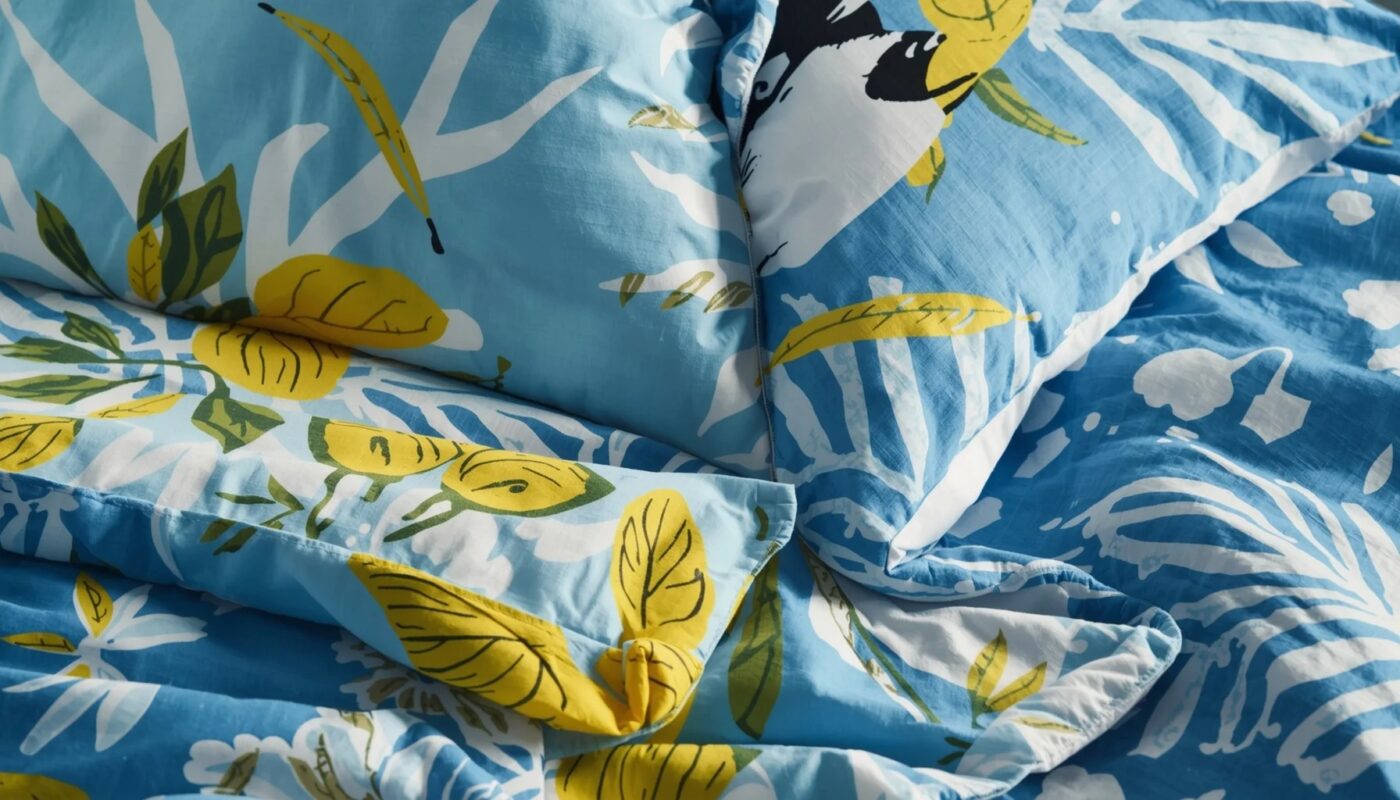
Sustainable fabric pop culture bedding brings fandom-led design into everyday bedroom decor, while its made-to-order production can reduce unsold inventory. At Binteez, the model pairs vivid, digitally printed designs with brushed microfiber polyester, produced after an order is placed. That can be a practical choice for themed rooms, but “sustainable” should be understood in context: the fabric is synthetic, not organic cotton or bamboo.
What Sustainable Fabric Pop Culture Bedding Is—and How It Works
Sustainable fabric pop culture bedding is made-to-order bedding featuring bold designs inspired by fandoms and online culture. At Binteez, the production model can limit the need for pre-printed stock, but the material is typically polyester microfiber rather than a natural or automatically recycled fiber.
What does “sustainable” mean in this context?
The word sustainable can refer to how a product is made, what it is made from, or both. For Binteez-style print-on-demand bedding, the grounded sustainability rationale is primarily the production model: an item is made after a customer orders it, rather than being printed in large quantities and stored in a warehouse. This can reduce the risk of excess unsold inventory, but it does not by itself establish a product’s full environmental impact.
The fabric matters too. Binteez markets bedding as sustainable or eco-friendly, while the typical stated material is brushed microfiber polyester. Polyester is a synthetic polymer; it is not organic cotton, bamboo, or another natural fiber. Nor should shoppers assume it is recycled polyester unless a specific product listing clearly says so.
A more accurate way to assess a claim is to separate the questions:
- Production: Is the item printed only after an order is placed?
- Material: What fiber is named in the product details?
- Evidence: Does the listing explain the basis for environmental language?
- Care and longevity: Are instructions provided to help the item remain usable?
This distinction helps shoppers appreciate the potential inventory benefit without treating “eco-friendly” as proof that every part of the product is environmentally preferable.
How does the made-to-order process work?
The customer journey begins with browsing the Binteez catalog and choosing a design, often by exploring a pop culture category such as anime, gaming, or music. The shopper then selects a product configuration, confirms the design variant, and chooses a bed size. Checking the size details matters because bedding must fit the mattress and comforter it is intended for.
After checkout, the order is sent to a fulfillment center. The design is digitally printed onto the fabric, which is then cut and sewn into the finished bedding. The completed item is packaged and shipped to the customer. Because production happens after purchase, delivery generally takes longer than it would for an in-stock product from a conventional retailer.
This process explains both the appeal and the trade-off. It enables a broad catalog of niche designs without requiring every design to exist as finished inventory in advance, but it adds a manufacturing stage before shipment. Shoppers with a firm delivery deadline should allow for that production time and review the current shipping information before ordering.
What products and designs can shoppers expect?
Binteez’s range includes duvet covers, typically sold as three-piece sets, as well as bed sheets and pillowcases. Matching throw blankets or tapestries may also be available. Product selection can vary, so shoppers should use the listing itself—not assumptions based on a design image—to confirm which pieces are included.
The visual style is generally high-saturation digital artwork built around fandoms, pop culture references, or trending internet aesthetics. That makes the bedding useful as a room focal point: a duvet cover can set the palette, while simpler sheets or accessories can keep the rest of the room from feeling visually crowded.
Pop culture designs also require an intellectual-property check. A design that references a recognizable franchise is not automatically an officially licensed product. Some print-on-demand designs may be fan-created or derivative, and their licensing status can be unclear. If official licensing is important, look for an explicit statement on the product page or ask the retailer before buying.
Materials, Printing, and What to Compare
The most useful comparison is not simply “sustainable versus unsustainable.” Shoppers should compare the disclosed fabric, the production model, the printing method, the product configuration, and the evidence behind environmental claims before deciding whether a design is right for their room.
How do the core product features compare?
The table below distinguishes the product characteristics described for Binteez from assumptions that are not supported by those details. It is a practical checklist for evaluating a listing rather than a claim that every item has identical specifications.
| Feature | Binteez-style pop culture bedding | What shoppers should verify |
|---|---|---|
| Production model | Made after an order is placed; reduces the need for pre-printed inventory | Whether the listing confirms the item is made to order |
| Typical fabric | Brushed microfiber polyester | Exact fiber composition for the selected product |
| Environmental positioning | Often described as sustainable or eco-friendly, with reduced inventory waste as the rationale | Whether the claim explains materials, production, or both |
| Printing | Dye-sublimation; ink is infused into fabric fibers | Product-specific care instructions and print details |
| Common products | Duvet covers, often in three-piece sets; sheets and pillowcases | Included pieces, dimensions, and whether accessories are separate |
| Design style | Saturated digital graphics inspired by pop culture and fandoms | The selected design variant and any licensing statement |
| Price positioning | Mid-range, with cost varying by size and promotions | Current price, size-based changes, and shipping costs |
| Delivery | Production precedes shipping, so fulfillment can take longer than in-stock retail | Current processing estimates, transit time, and delivery deadline |
What does dye-sublimation mean for the print?
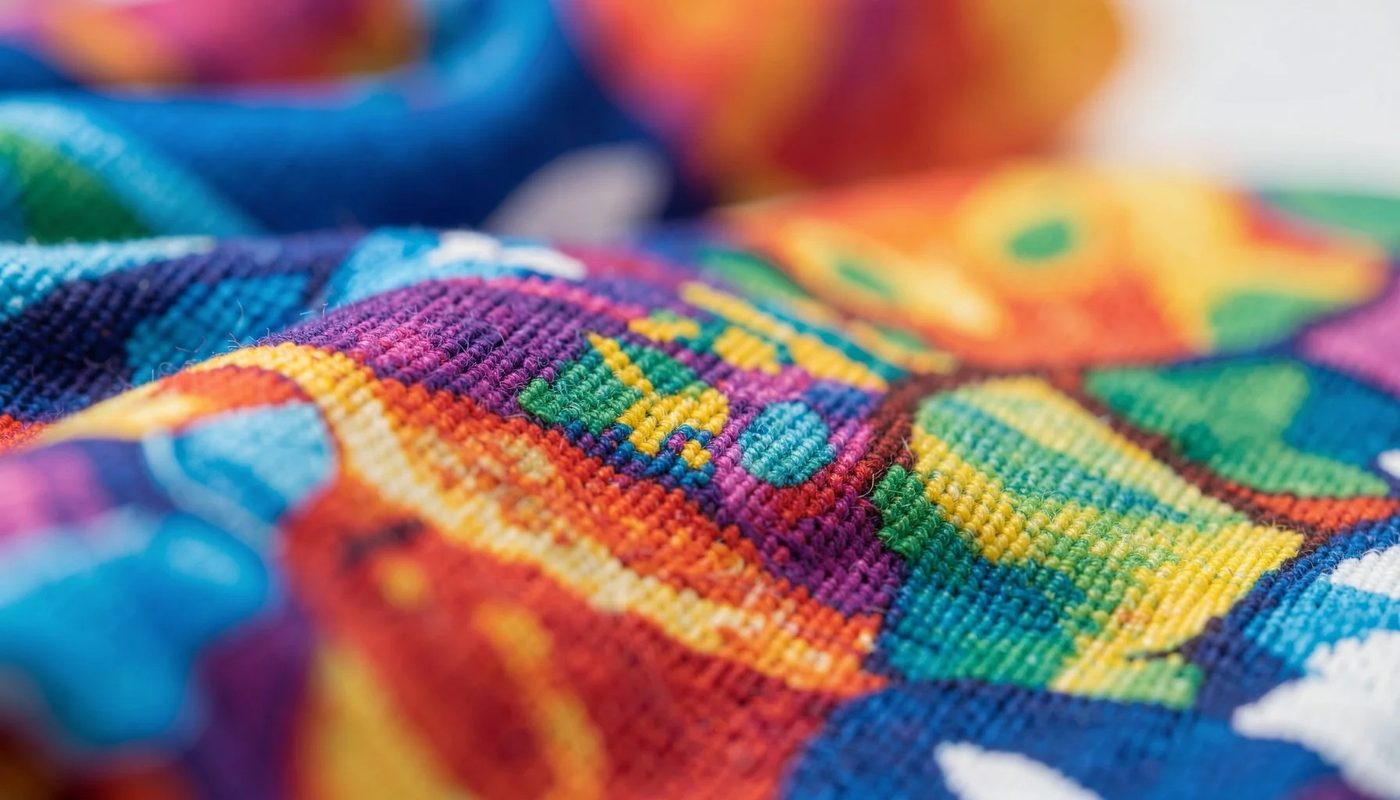
Binteez uses dye-sublimation printing, a process that infuses ink into the fabric fibers rather than leaving a surface layer that can crack or peel in the same way a surface-applied graphic may. That is useful for bedding because the printed area is part of a textile that gets handled, folded, and washed.
The printing method does not answer every quality question. It does not establish the exact softness, weight, breathability, color appearance in a particular room, or durability under every washing routine. Those depend on the fabric, construction, care, and use. Product photos can also look different across screens, so shoppers should treat screen color as a guide rather than a guaranteed match.
Care instructions are therefore part of the buying decision. Follow the instructions supplied with the product, and avoid assuming that all polyester bedding can be laundered identically. For a long-term purchase, it is also reasonable to check whether the seller provides clear guidance for washing and drying before placing an order.
How should shoppers interpret pricing and environmental claims?
The described pricing position is mid-range, but a single fixed price would be misleading. The cost can change with bed size and seasonal promotions, and the product configuration may affect what is included. Compare like with like: the same size, the same bedding pieces, and the same delivery conditions.
Environmental claims deserve similar care. Made-to-order production can avoid printing large quantities of designs before there is a buyer, but that alone does not prove a lower total footprint. A fuller assessment would require comparable information about material sourcing, manufacturing, packaging, shipping, and product lifespan. Without those details, avoid turning a limited inventory-waste rationale into a broad claim that a product is “fully sustainable.”
For 2026 shopping decisions, use evidence you can verify rather than unsupported percentages or vague superlatives. There is no single, substantiated industry-wide percentage in the information available here that can quantify the environmental advantage of this specific bedding model. A reliable product page should make the material and production details clear enough for a shopper to judge the trade-offs.
How to Choose and Order the Right Set
A dependable order starts with the bed measurements and product details, not just the design image. Browse by theme, confirm the exact size and included pieces, check delivery expectations, and place the order only when the material and listing details match your needs.
Step 1: Choose the design and check its status
Browse the catalog and narrow the options by the kind of design you want, such as anime, gaming, music, or another pop culture category. Consider the room as a whole: a highly detailed duvet cover will dominate the visual scheme, so plain or coordinating accessories may work better than adding several competing prints.
Before choosing a design, inspect the listing for the exact variant and any licensing information. Do not infer official status from the presence of a familiar character, logo, or franchise reference. If the listing does not say whether a design is licensed, contact the retailer when that distinction matters to you.
It is also useful to picture the design in the room where it will be used. A bright print may suit a dorm room or a creator’s filming background, while a subtler design could be easier to coordinate with existing furniture. The best choice is not necessarily the most detailed one; it is the design that fits the room’s colors, purpose, and everyday use.
Step 2: Confirm size, pieces, and material
Select the bed size offered in the product configuration and compare it with your mattress and bedding requirements. Do not assume that a size label alone guarantees the dimensions you need. Review the measurements listed for the specific item, particularly if you use a deep mattress, a mattress topper, or a comforter with nonstandard dimensions.
Next, confirm exactly what comes in the package. A duvet cover set is typically described as three pieces, but shoppers should read the product details to identify those pieces and check whether a comforter insert is included. Sheets, pillowcases, blankets, and tapestries can be separate products rather than parts of a set.
Finally, read the fabric description. If the listing identifies brushed microfiber polyester, treat it as synthetic polyester—not organic cotton, bamboo, or recycled fiber unless that is separately and explicitly stated. This is the point to decide whether the feel and material type meet your preferences. A design can be appealing while still being the wrong fabric choice for your household.
Step 3: Review the order and delivery timeline
Before checkout, check the current price for your selected size, any active promotion, shipping charges, and the stated processing or delivery estimates. Made-to-order bedding has a production stage between order placement and shipment, so it may not arrive as quickly as an item already in stock. Avoid relying on standard two-day retail expectations when planning around a birthday, move-in, or room makeover.
Once the order is placed, the workflow is straightforward: the request goes to a fulfillment center, the design is printed on the fabric, the material is cut and sewn, and the finished product is shipped. Keep the order confirmation and use the retailer’s stated support and tracking process if you need an update.
If you are purchasing as a gift, build in extra time rather than ordering at the last possible moment. For a deadline-sensitive occasion, confirm the estimate before paying and consider a backup gift if the delivery window is uncertain. That small planning step is especially valuable when a product is manufactured after purchase.
Room Ideas, Pitfalls, and the 2026 Outlook
Pop culture bedding works best when it is treated as part of a room plan, not just as a novelty purchase. In 2026, the practical appeal is clear: made-to-order designs can serve niche tastes and visual projects, while responsible buying still depends on checking fiber, licensing, fit, and delivery details.
Where does this bedding work best?
For a themed bedroom makeover, a duvet cover can act as the central design element without requiring shoppers to find rare or vintage merchandise. Keep the remaining textiles and decor simpler if the bedding already uses saturated colors or dense graphics. That lets the theme read clearly without making every surface compete for attention.
In a dorm room, fandom-specific bedding can personalize a space where furniture and layout may be standardized. Measure the bed and check the product dimensions before ordering; a distinctive print cannot compensate for an incorrect fit. Because the item is made to order, plan around move-in dates and the retailer’s stated shipping estimates.
For streamers and video creators, bold bedding can provide a recognizable bedroom background in content filmed at home. Think about what appears in the camera frame: colors, lighting, and the position of the bed can change how a print reads on screen. If the bedding will be visible in repeated videos, choose a design that supports a consistent look rather than one that might feel dated after a short trend cycle.
As a gift, niche designs can be more personal than generic home goods. Confirm the recipient’s bed size, preferred material, and fandom before ordering, and allow for production time. A quick check on those practical details can prevent a thoughtful gift from becoming an awkward mismatch.
What common mistakes should shoppers avoid?
A frequent mistake is treating “sustainable” as a synonym for natural fiber. In this case, the typical material is brushed microfiber polyester, so shoppers seeking organic cotton, bamboo, or a verified recycled fiber should not assume this product meets that requirement. Read the composition and decide based on the actual material.
Other pitfalls include:
- Ordering by design alone: Confirm size, dimensions, and what the package contains.
- Assuming a comforter is included: Check the set contents; a duvet cover is not necessarily sold with an insert.
- Expecting immediate dispatch: Production occurs after ordering, so allow for a longer fulfillment window.
- Assuming a franchise design is official: Look for an explicit licensing statement if official merchandise matters.
- Overreading environmental language: Separate the made-to-order inventory benefit from broader claims about materials or total impact.
A practical solution is to use a pre-checkout checklist: fit, fiber, set contents, licensing, care, full price, and delivery estimate. If one of those details is missing or unclear, pause and look for clarification instead of filling the gap with an assumption.
What should shoppers expect in 2026?
The strongest reason to consider made-to-order pop culture bedding in 2026 is choice: shoppers can look for designs tied to narrower interests without relying only on what mass retailers choose to stock. It may also reduce the amount of pre-printed inventory required for a broad catalog. Those are practical advantages, not proof that every product has a lower environmental impact.
A more informed buyer will expect transparent product details: a named fiber, accurate dimensions, clear set contents, understandable care instructions, realistic fulfillment estimates, and a licensing statement where relevant. Environmental descriptions are more useful when they explain whether they refer to on-demand production, material composition, or another specific attribute.
Chuyên Gia binteez.com’s perspective is that shoppers should evaluate the whole proposition, not just the graphic or sustainability label. Binteez’s made-to-order model and dye-sublimation printing support an appealing format for expressive home decor, while polyester composition, shipping lead time, and uncertain licensing status remain important considerations. For current catalog options and product details, browse Binteez and verify the specific listing before purchase.
FAQ
These answers summarize the main buying considerations: what the sustainability claim means, what the fabric is, how production affects delivery, and whether designs are necessarily licensed.
Is Binteez bedding made from organic or natural fabric?
The typical material described for Binteez bedding is brushed microfiber polyester, a synthetic fiber. Do not assume that a product is made from organic cotton, bamboo, or recycled material unless its specific listing explicitly confirms that composition.
Why can made-to-order bedding take longer to arrive?
The product is made after an order is placed. The design must be printed onto the fabric, then the fabric is cut and sewn before the completed item is packaged and shipped, adding production time before transit.
Does “sustainable” mean the bedding has no environmental impact?
No. In this context, the sustainability rationale is tied to making products on demand, which can reduce the need for pre-printed inventory. That does not establish the total impact of the polyester fabric, manufacturing, packaging, shipping, or product lifespan.
Are pop culture designs officially licensed, and what should be checked before ordering?
Not necessarily. Some pop culture designs on print-on-demand sites may be fan-created or derivative, and licensing can be unclear. Check for an explicit statement if official licensing matters, and confirm the bed size, package contents, material, care details, price, and delivery estimate before checkout.
